
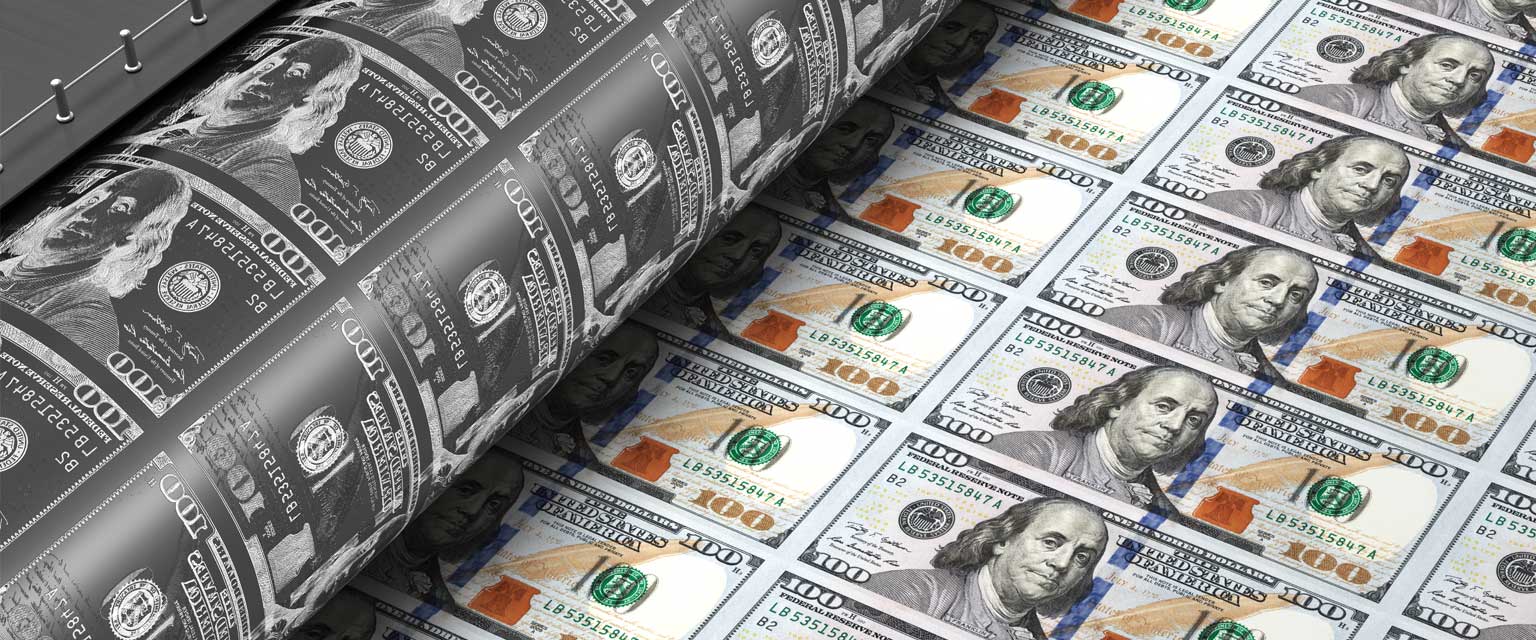

Money is more than just paper bills and metal coins—it’s the result of a complex process combining art, science, and precision engineering. Understanding how money is made is crucial, not only for collectors and investors but also for everyday consumers. Counterfeiting remains a serious issue, affecting banks, businesses, and private collectors alike.
By learning the intricacies of currency production and the security features built into coins and bills, you can protect yourself from counterfeit money. At CV Coins & Collectables, we provide expert guidance for identifying counterfeit coins and currency, helping collectors and sellers verify authenticity and avoid scams. Knowing what to look for is the first step in safeguarding your money and your collection.
A Brief History of Money Production
The story of money stretches back thousands of years. Humans originally relied on bartering goods and services, which eventually evolved into metal coins and, later, paper currency. The first coins were hand-struck from precious metals, and early paper currency was often printed using engraved plates, requiring highly skilled artisans.
In the United States, the Coinage Act of 1792 established the first Mint in Philadelphia, producing coins for circulation. As the economy grew, the Mint expanded with branch locations in New Orleans, Denver, San Francisco, and West Point. Paper currency followed a similar evolution, with the Bureau of Engraving and Printing taking responsibility for producing secure notes.
Modern coin and currency production combines advanced technology with stringent quality control. Machines now handle most of the work, from striking coins to printing bills, while precision engineering ensures uniformity and security. Learning how money is made provides collectors with valuable context, making it easier to recognize both authentic pieces and potential counterfeits.
Evolution of Coin and Bill Security Features
Over time, the U.S. Mint and Bureau of Engraving and Printing have introduced numerous security features to protect currency. These include:
- Watermarks embedded in paper bills
- Security threads visible under light
- Color-shifting inks on certain denominations
- Microprinting and holograms on coins and high-denomination bills
For collectors and the general public, understanding these features is essential. They not only make counterfeiting more difficult but also provide reliable ways to verify authenticity when handling coins or bills.
How Coins Are Made: The Minting Process
The coin minting process is a precise and intricate system that transforms raw metal into currency. It begins with designing the coin, where artists create detailed sketches and models that reflect the intended imagery and inscriptions. Once the design is approved, it moves to engraving, where master dies are carved to replicate the design in relief.
Next, die creation produces multiple working dies for mass production. Planchets, the blank metal discs, are prepared by cutting, weighing, and annealing them to ensure uniformity. Each planchet is then struck under immense pressure by the dies, transferring the design onto the coin. Finally, coins go through inspection, where quality control ensures the design is sharp and consistent, catching defects or imperfections.
Despite the precision, errors can occur at multiple stages, such as misaligned dies, improper planchet preparation, or double strikes. These mistakes, while rare, create collectible error coins that often hold unique appeal to collectors. Understanding the minting process not only educates collectors about authenticity but also highlights why coins are valuable beyond their metal content.
Common Coin Production Errors
Coins can sometimes emerge from the mint with noticeable errors. Common mistakes include:
- Misaligned dies – design not centered on the coin
- Double strikes – the coin struck more than once
- Clipped planchets – missing sections of metal
While these errors are unintentional, they often increase a coin’s collector value due to rarity and uniqueness. Many collectors specifically seek out these types of coins for their unusual characteristics.
How Paper Money Is Produced
Paper money production is overseen by the Bureau of Engraving and Printing (BEP), which combines artistry and technology to create secure currency. U.S. bills are made from a cotton-linen blend, embedded with security threads and other anti-counterfeiting features.
The printing process involves multiple steps:
- Intaglio printing to produce raised textures
- Offset printing for background patterns
- Serial numbering to assign unique identifiers to each bill
Each note goes through rigorous quality control to detect defects before distribution. Despite these measures, counterfeiters continue to try replicating bills, making it essential for collectors and the public to know how bills are made and recognize the security features.
What Is Counterfeit Money?
Counterfeit money refers to coins or bills that are produced illegally with the intent to imitate authentic currency. These fake bills and coins can range from poorly crafted amateur attempts to highly sophisticated reproductions designed to pass casual inspection.
Amateur counterfeits are often easy to spot due to obvious flaws in weight, size, or design. Sophisticated counterfeits, however, may include precise engravings, mimicked materials, and even replicated security features, making them more difficult to detect.
Counterfeit money poses serious risks for collectors, businesses, and everyday users. Accepting fake bills or coins can result in financial loss, legal complications, and the potential circulation of fraudulent currency. Understanding how to identify counterfeit money is essential for anyone handling currency, whether for collection, sale, or day-to-day transactions.
Real vs. Counterfeit: Why It Matters
Counterfeit currency affects the economy by reducing trust in money and causing financial losses. Legal consequences for knowingly using or producing fake currency are severe, including fines and imprisonment. For sellers and collectors, distinguishing real from counterfeit protects investments and maintains market integrity.
How to Identify Counterfeit Money
Knowing how to identify counterfeit money is key to safeguarding your finances and collectibles. Here’s a step-by-step guide:
- Examine security features: Check watermarks, security threads, color-shifting ink, and microprinting on bills. Coins may include precise mint marks or edge lettering.
- Verify size, weight, and materials: Counterfeit coins often differ in weight or metal composition; bills may feel different in texture.
- Compare with authentic currency: Always have a reference bill or coin to detect subtle differences.
- Use magnification and UV light: Many security features are visible only under magnification or ultraviolet light.
Exercise caution when accepting unknown currency. Even seemingly minor differences in appearance or feel can indicate a counterfeit. For collectors, having coins or bills professionally examined ensures authenticity and protects your investment.
Tools for Detecting Counterfeit Money
Several tools help in spotting fake currency:
- Magnifying glass to inspect microprinting and fine details
- UV light to reveal embedded security threads and inks
- Counterfeit detection pens for paper money
- Mobile apps and online verification resources for reference
Using these tools, along with knowledge of how to identify counterfeit money, increases confidence in verifying both coins and bills.
Common Counterfeit Money Scams
Counterfeit money scams take many forms, often targeting unsuspecting individuals and businesses. One common scam is the cash overpayment trick, where a scammer gives counterfeit bills as part of a larger transaction and requests change, leaving the victim with a loss.
Fake coin and collectible scams are also prevalent, especially on online marketplaces and at flea markets. Scammers may sell coins or currency claiming they are rare or valuable when they are, in fact, counterfeit.
To avoid falling victim, always inspect bills and coins carefully, compare them with known authentic currency, and work with reputable dealers. Being cautious and informed is the best defense against fraud and ensures your money and collections remain secure.
What to Do If You Suspect Counterfeit Money
If you encounter suspected counterfeit bills or coins, do not attempt to spend them. Circulating fake currency is illegal and could result in serious consequences.
Instead, report the item to the U.S. Secret Service or your local law enforcement. For coins or collectibles, consulting a trusted expert like CV Coins & Collectables can help verify authenticity and guide next steps. Acting quickly protects you, your finances, and the integrity of the currency system.
Tips for Protecting Yourself from Counterfeit Currency
Protecting yourself from counterfeit money requires awareness and vigilance. Always inspect bills and coins before accepting large amounts, paying close attention to security features, texture, and weight. Using trusted sellers and reputable dealers reduces the risk of encountering fakes, especially when buying collectibles or conducting online transactions.
Educate yourself about current security features on U.S. currency, including watermarks, security threads, microprinting, and color-shifting inks. Regularly update your knowledge as counterfeiters develop new techniques, and make sure to compare suspect bills or coins with authentic examples. By staying informed and cautious, you can confidently handle both everyday currency and collectible items.
Frequently Asked Questions About Counterfeit Money
Check for security features, weight, size, and feel. Magnification and UV light can reveal hidden details.
They are relatively rare, but errors and fakes do occur, particularly with collectible coins or high-denomination bills.
Do not spend it. Report it to the U.S. Secret Service or local authorities and consult a trusted expert for verification.
Yes. Wear, fading, or changes in design over time may resemble counterfeit traits, so verification is important.
Absolutely. Professional appraisals can authenticate coins and bills, ensuring collectors avoid fakes and know the true value of their items.
Final Thoughts: Understanding Money and Staying Safe
Knowing how money is made is essential for collectors, sellers, and consumers. Understanding minting and printing processes helps detect counterfeit bills and coins, safeguarding your finances and collections.
Stay informed, cautious, and always use trusted experts like CV Coins & Collectables for verification and appraisal. Whether you’re buying, selling, or collecting, professional guidance ensures authenticity and protects the value of your money and collectibles.
CON EL CORAZON
Estate Sale Tips: What to Expect When You’re Selling
Selling items at an estate can feel overwhelming, but a little preparation goes a long way. First, take inventory of what you have—from jewelry and coins to collectibles—so you know what’s valuable and can plan accordingly.
Next, I always recommend getting professional appraisals. Understanding the true value of items like gold, silver, and rare coins helps prevent undervaluation and ensures you receive fair offers.
When it comes to selling, work with trusted experts. At CV Coins & Collectables, we provide transparent pricing, honest guidance, and hands-on support throughout the process. Avoid rushing into sales or accepting the first offer; taking your time can make a significant difference.
Finally, I know the emotional side of selling family items can be tough. Focus on preserving memories while letting your items find new homes where they’ll be appreciated.
If you’re preparing for an estate sale, schedule an appraisal with us today. I’d be happy to help ensure you get the value your items deserve.
Robert
Owner, CV Coins & Collectables