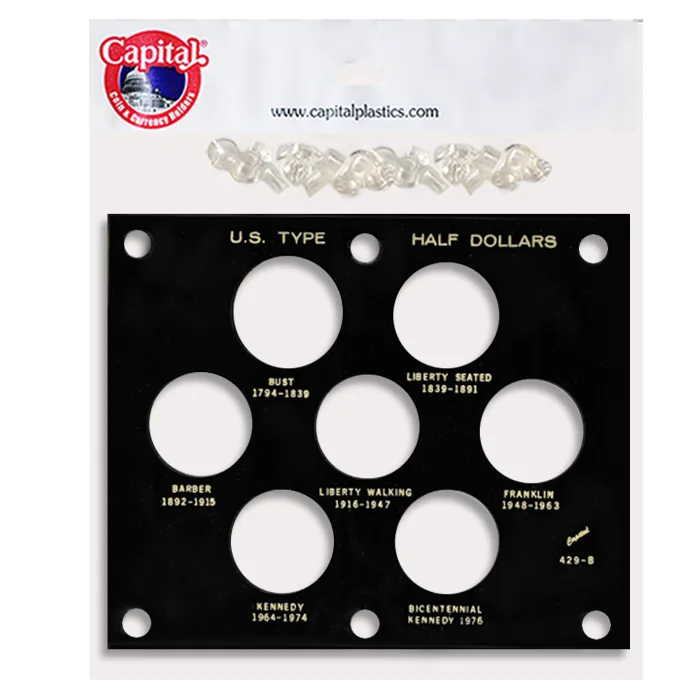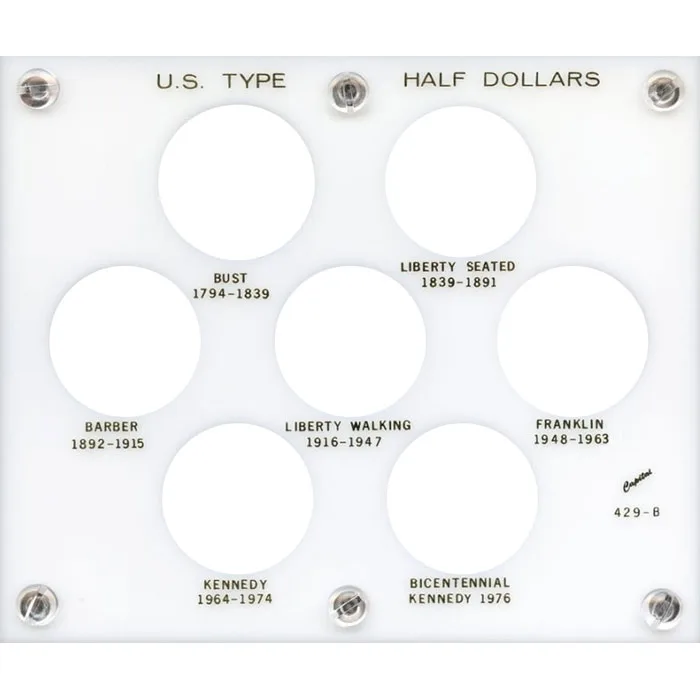
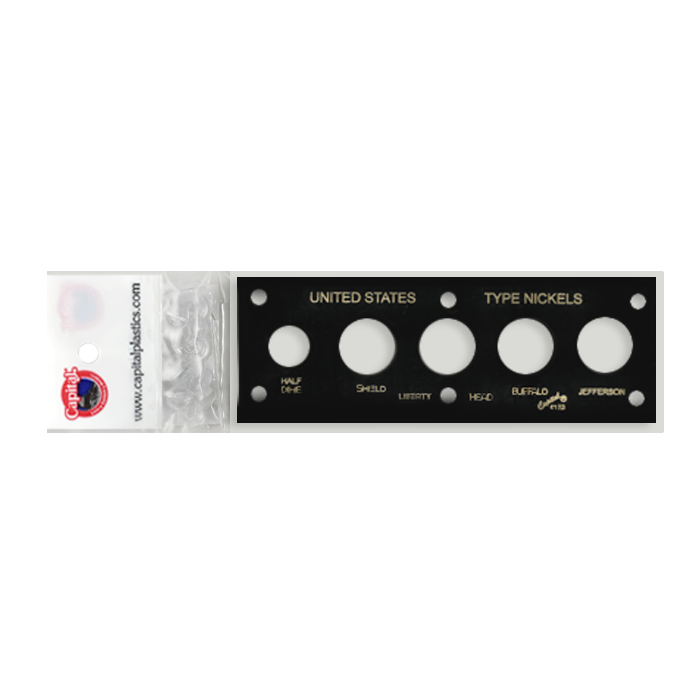

CVC & Collectables presents a complete journey through the evolution of U.S. five-cent coinage with U.S. Type Nickels, spanning from early silver half dimes to modern nickel issues. This category highlights the major design transitions that reflect America’s growth, industry, and artistic heritage across nearly two centuries of coinage.
Type Highlights
- Half Dime (1792–1873):
The original five-cent coin, struck in silver, representing early American coinage before the adoption of base metal nickels - Shield Nickel (1866–1883):
The first copper-nickel five-cent piece, introduced after the Civil War to replace silver coinage shortages - Liberty Head Nickel (1883–1913):
Also known as the “V Nickel,” featuring a classical Liberty portrait and iconic Roman numeral reverse - Buffalo Nickel (1913–1938):
One of the most beloved U.S. coin designs, showcasing a Native American portrait and an American bison - Jefferson Nickel (1938–Date):
A long-running series honoring Thomas Jefferson, with multiple reverse design changes including Monticello and modern commemorative issues
Historical Significance
The evolution of the U.S. five-cent denomination tells the story of America’s economic and cultural transformation. From small silver half dimes of the early republic to durable copper-nickel coinage introduced during the Civil War era, each type reflects shifting needs in commerce and technology.
The transition from precious metal to base metal coinage marked a major turning point in U.S. monetary policy, while later artistic designs—especially the Buffalo Nickel—captured the nation’s identity and frontier heritage.
Collectibility
U.S. Type Nickels offer a dynamic collecting opportunity for both beginners and advanced numismatists:
- Ideal for building a complete U.S. type set
- Wide range of price points from affordable to rare key dates
- Strong historical and artistic appeal across each design
- Includes iconic and highly collected series like the Buffalo Nickel