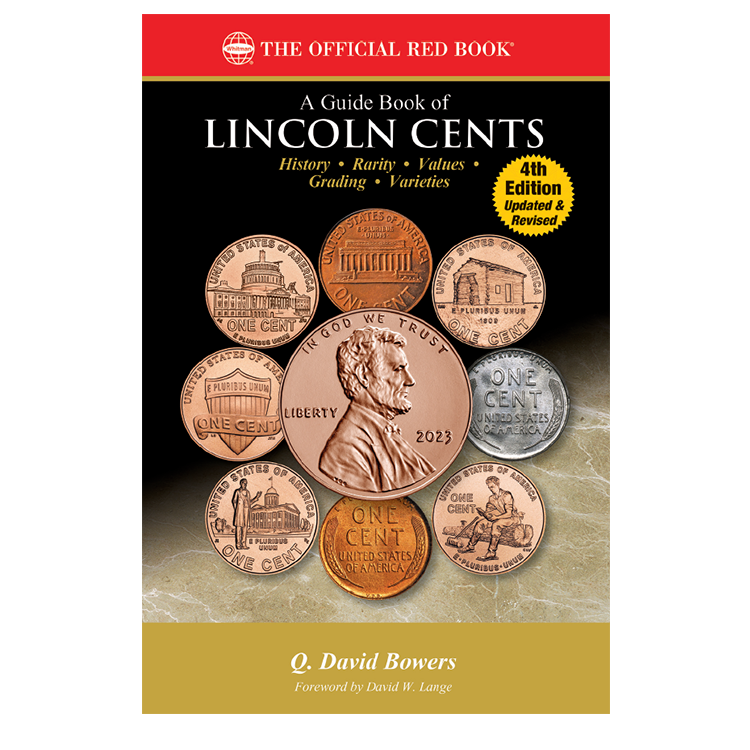
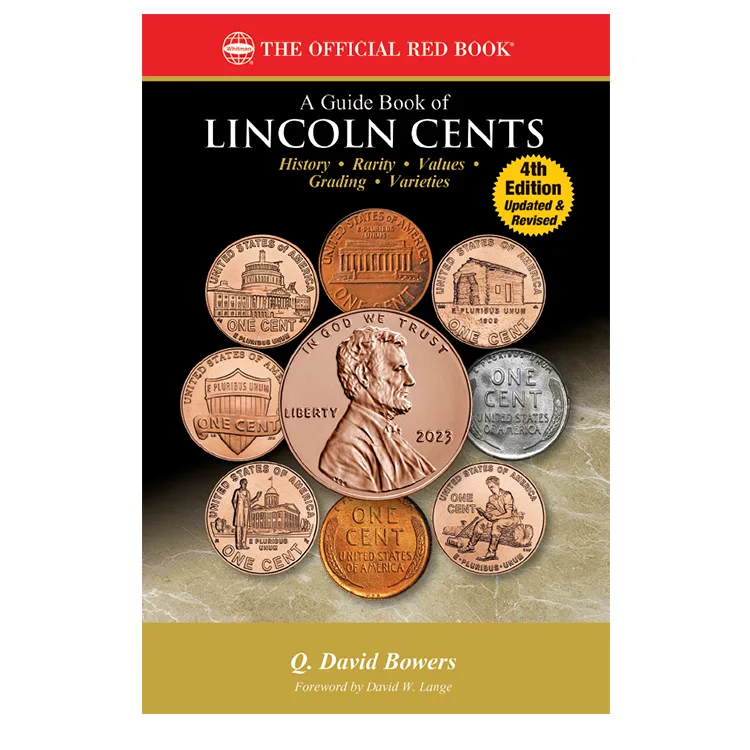
Description
-
Range & History: Traces the Lincoln cent from its debut in 1909 through to modern times (2023), including every design change, alloy adjustment, and minting evolution.
-
Reverse Designs: Covers all seven reverse designs used over its history, including Wheat (“Wheat Ears”), Memorial, Bicentennial designs (2009), Shield (2010-present).
-
Minting & Proofs: Offers insight into how the coins are made, including the mint operations, the proof strikes, changes in mint marks, etc.
-
Error Coins, Varieties, and Patterns: Includes sections/appendices on error coins, die varieties, pattern coins, alternative designs, and how new varieties get recognized.
-
Grading & Collection Guidance: How to grade (both circulation and proof), spot issues (color, strike, wear, etc.), plus strategies and advice for collectors.
-
Market Analysis / Values: Detailed values for every date + mintmark, in multiple grades; market trends; also historical snapshots (e.g. Lincoln cent market in 1946).
Key Specifications
| Spec | Detail |
|---|---|
| Title / Edition | A Guide Book of Lincoln Cents, 4th Edition (Red Book Series #9) |
| Author(s) | Q. David Bowers, with foreword by David W. Lange |
| Publication Date | September 5, 2023 |
| Pages | 352 pages |
| Size / Format | Paperback/trade softcover; full color; dimensions about 6 × 9 inches |
| ISBN-10 / ISBN-13 | ISBN-10: 0794849970; ISBN-13: 978-0794849979 |
Why Collectors Want It
-
It’s the most current, detailed reference specifically for Lincoln cents — great for both beginner and advanced collectors.
-
Helps identify value-adding traits like color (e.g. red, red/brown, brown), strike quality, proof vs circulation, and rare die varieties.
-
With photos of many key coins and varieties, it aids in spotting counterfeits or alterations.
-
Includes appendices that deal with topics many want: patterns, tokens/medals, alternative reverse proposals, and ways to get a variety recognized.
-
Useful for establishing fair market prices, understanding what drives premiums, and knowing what collectors should expect to pay for high-end or rare issues.