
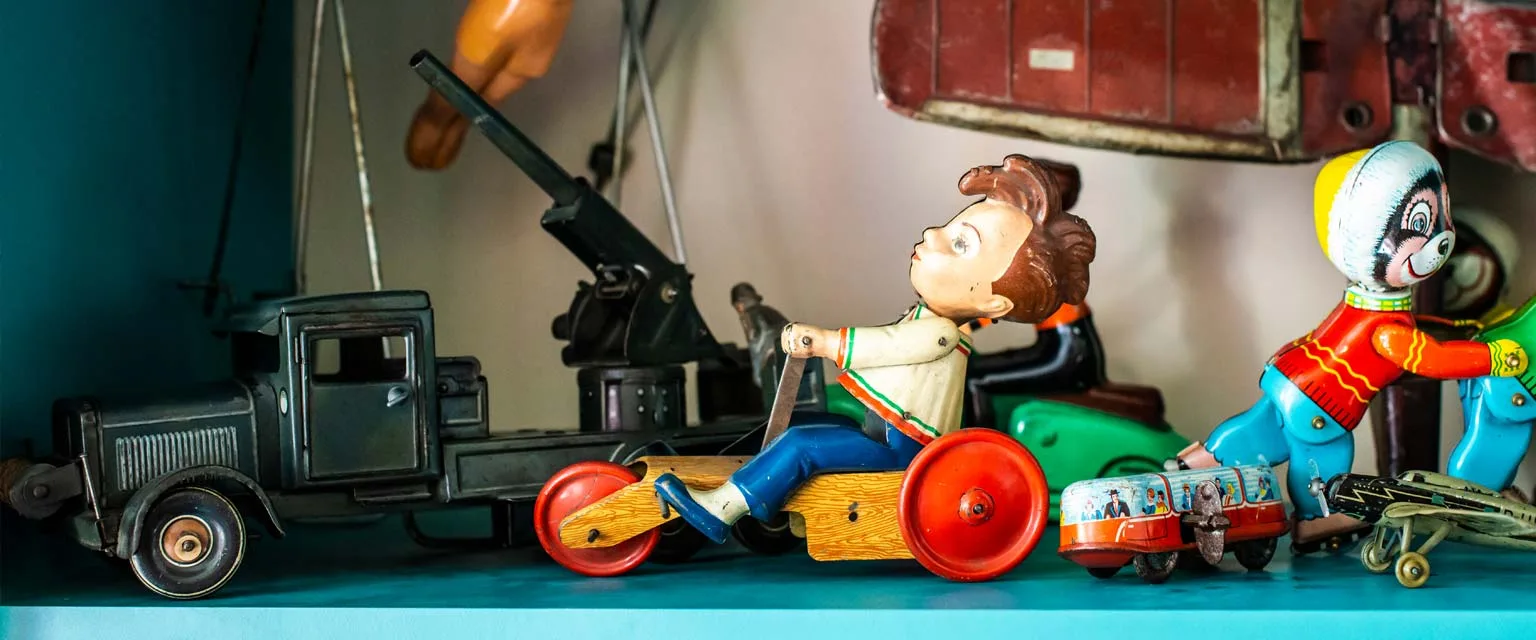

Vintage toys have become more than childhood keepsakes. They’re now highly sought-after collectible toys with real historical and monetary value. From mid-century tin robots to classic 1980s action figures, rare vintage toys can fetch impressive prices at auctions and in private sales. But as demand grows, so does the risk of running into counterfeits, reproductions, and intentionally altered items that mislead collectors.
Whether you’re new to toy collecting or expanding your existing collection, learning how to spot authentic toys is essential. Fakes can look convincing, and without the right knowledge, collectors may overpay or unknowingly add inaccurate pieces to their displays.
In this guide, you’ll learn exactly what to look for —materials, markings, packaging, aging patterns, and expert-backed red flags —to help you confidently identify genuine vintage toys and avoid costly mistakes.
Why Authentic Vintage Toys Are Valuable
Authentic vintage toys sit at the intersection of nostalgia, cultural history, and financial investment. Collectors aren’t just buying old toys; they’re buying fragments of eras that shaped entertainment, technology, and childhood memories. These items often reflect manufacturing trends, character popularity, and design styles from different decades, making them appealing to both serious collectors and fans rediscovering the toys they grew up with.
Over time, certain toys have appreciated dramatically in value. Limited-run pieces, discontinued product lines, and toys tied to cultural phenomena can skyrocket in price. For example, early Star Wars action figures from the late 1970s and early 1980s can sell for more than $5,000 if they are still sealed in their original packaging. Even loose figures from brands like Hot Wheels, G.I. Joe, Barbie, and early LEGO or Playmobil sets can command notable premiums depending on rarity and condition.
But not all vintage toys are equal. Value fluctuates based on specific traits like scarcity, brand legacy, and original manufacturing quality. This is why collectors carefully assess materials, markings, and packaging before making a purchase.
Below, we break down the exact factors that influence value, and how these elements can help you spot authentic vintage toys from modern reproductions.
Collectibility Factors That Increase Value
Certain traits consistently elevate the desirability and value of vintage toys:
- Condition: Mint-condition toys—especially unopened—can be worth exponentially more than used or damaged ones.
- Rarity: Limited editions, discontinued lines, and toys with short production runs are harder to find and therefore more valuable.
- Brand or Character Popularity: Toys tied to major franchises (Star Wars, Marvel, Disney, Barbie) often appreciate over time.
- Original Packaging: Boxes, inserts, manuals, and tags dramatically affect value. Packaging alone can sometimes be worth hundreds.
Common Vintage Toy Materials and Their Indicators
Materials can reveal a lot about authenticity:
- Tin: Popular from the 1920s to the 1960s. Genuine tin toys often show lithographed designs and natural patina.
- Early Plastics (Celluloid, Bakelite, PVC): Older plastics tend to yellow or become brittle, which is an expected sign of age.
- Wood: Found in early 20th-century toys. Authentic wooden toys often show hand-painted details.
- Rubber: Used in dolls and figurines; vintage rubber may darken or stiffen over time.
Understanding these materials helps distinguish genuine pieces from modern reproductions, which often use different formulas, finishes, and manufacturing techniques.
Common Signs of Fake or Reproduced Vintage Toys
As the demand for vintage toys increases, so does the number of counterfeits circulating in online marketplaces, flea markets, and private sales. Many reproductions look convincing at first glance, especially to newer collectors. But a closer inspection usually reveals inconsistencies in packaging, materials, markings, and overall craftsmanship. The key is learning what authentic toys should look, feel, and sound like, and understanding when something appears off.
Below are the most reliable warning signs to help you quickly identify fake or reproduced vintage toys before you commit to a purchase.
Packaging and Labeling
Packaging offers some of the clearest clues when identifying authentic vintage toys:
- Logo inaccuracies: Counterfeit boxes often use slightly altered or outdated brand logos. A single incorrect curve, spacing issue, or inconsistent color can reveal a fake.
- Incorrect fonts or typography: Reproductions frequently use modern fonts that didn’t exist during the toy’s original production era.
- Artwork quality: Authentic boxes feature crisp illustration lines and period-accurate colors; fakes may look overly bright or printed at a lower resolution.
- Artificial wear: Some counterfeiters intentionally “distress” packaging to mimic age. But fake wear often looks too uniform or inconsistent with natural aging.
Packaging should always match the toy’s era. If the box looks significantly newer or suspiciously aged, trust your instincts and investigate further.
Materials and Craftsmanship
Authentic vintage toys were produced with specific materials that reflected the technology and manufacturing processes of their time. Fakes often overlook these details:
- Plastic variations: Older plastics tend to yellow or become brittle. If a “vintage” plastic toy looks unusually perfect, it might be a reproduction.
- Color mismatches: Some counterfeits use modern paint colors or overly bright tones inconsistent with the toy’s time period.
- Inconsistent construction: Authentic metal toys have clean seams and well-aligned parts. Fakes may show sloppy soldering, uneven assembly, or cheap modern screws.
When evaluating rare vintage toys, always examine the craftsmanship closely. Authentic pieces usually have higher-quality detailing than cheaply made reproductions.
Markings, Stamps, and Serial Numbers
Brand markings are essential for confirming authenticity:
- Manufacturer stamps: These typically include brand names, country of origin, and production dates. Missing stamps are a major red flag.
- Patent numbers: Many mid-century toys list patent numbers that can be verified online. If the number is incorrect or doesn’t exist, proceed with caution.
- Altered markings: Some sellers file off or repaint areas to hide modern stamps. Uneven surfaces or fresh paint may indicate tampering.
- Serial numbers: High-value toys—such as collectible trains or die-cast cars—often have serial numbers. If the number looks etched recently, it may be counterfeit.
These markings should always match known references and historical manufacturing details.
Weight, Feel, and Sound Tests
Authentic vintage toys often have specific physical characteristics:
- Weight consistency: Older toys made from tin, early plastics, or metal typically feel heavier than modern reproductions.
- Mechanical feel: Wind-up toys, for example, should have a smooth resistance when the key turns. Reproductions may feel too loose or overly stiff.
- Sound differences: Toys with bells, rattles, or mechanical movement create distinct sounds that newer reproductions rarely replicate.
If the toy feels too light or moves too smoothly, it’s worth questioning its authenticity.
Steps to Verify Authentic Vintage Toys Before Buying or Selling
Whether you’re adding a new piece to your collection or preparing to sell rare vintage toys, due diligence is critical. Verifying authenticity protects you from overpaying, ensures accurate valuations, and preserves the integrity of the hobby. Below are practical steps that both beginner and experienced collectors should follow.
Research the Toy’s History
Start by learning the toy’s background:
- Collector guides and reference books: These often provide photos, production dates, and version variations.
- Online databases: Many brands, like LEGO, Hot Wheels, or Barbie, host official archives.
- Historical context: Knowing when a toy was manufactured helps identify inconsistencies in packaging, materials, and markings.
Understanding the toy’s full production timeline helps you identify mismatched details that may signal a fake.
Compare With Trusted References
Side-by-side comparisons are one of the most effective verification methods:
- Use photos from auction houses, museum archives, and collector groups for reference.
- Examine small details such as paint color, texture, stamping location, and joint type.
- Look for known variants. Some brands released multiple versions of the same toy.
Collectors often share comparison photos online, making verification easier than ever.
Professional Appraisals and Grading Services
For high-value purchases, expert verification is worth the investment:
- Certified toy graders evaluate condition, authenticity, and packaging.
- Appraisal services can provide written documentation confirming the toy’s authenticity and market value.
- Graded toys typically sell for higher prices and attract more serious collectors.
This step is especially important when dealing with expensive action figures, dolls, die-cast vehicles, or sealed items.
Safe Buying Practices
Protect yourself with smart purchasing habits:
- Avoid deals that seem “too good to be true.”
- Buy from reputable dealers, established toy shops, or verified online sellers.
- Request detailed photos, including markings, interior components, and packaging.
Taking extra precautions dramatically reduces your risk of buying counterfeit vintage toys.
Documenting Your Collection
Keeping records helps maintain your collection’s value:
- Take detailed photos of toys and packaging.
- Store receipts, certificates, and appraisal documents.
- Record serial numbers and distinguishing features.
Documentation not only protects your investment. It also makes resale easier and more profitable.
FAQ: Authentic Vintage Toys
Collectors, especially those new to the hobby, often have questions about how to identify and evaluate authentic vintage toys. Below are clear, concise answers to the most common concerns.
Look for accurate manufacturer markings, period-correct materials, proper weight, and matching packaging. Always compare the toy with verified reference photos. If anything feels “off,” research further or consult an expert.
Not necessarily. While many collectors consider items 20–40 years old to be vintage, the definition depends on the category. Toys from the 1980s and earlier are typically recognized as vintage, while early 2000s toys are not yet considered collectible on the same scale.
High-demand categories are the most frequently reproduced, including:
– 1960s–1990s action figures
– Vintage Barbie dolls
– Die-cast cars like Hot Wheels or Matchbox
– Tin wind-up toys
– Early video game collectibles
– Lunchboxes, metal toys, and limited-edition sets
If a toy was popular or expensive, there’s a good chance counterfeits exist.
Value ranges widely. Some toys sell for under $50, while rare items—like mint-condition Star Wars figures, early G.I. Joe dolls, or limited-run LEGO sets—can reach thousands of dollars. Condition and originality (including packaging) dramatically influence price.
Yes, but you should have it evaluated first. Professional appraisers can verify authenticity, identify variants, and help determine fair market value. Getting expert confirmation protects you and builds buyer confidence.
Tips for Preserving and Displaying Vintage Toys
Once you’ve verified that your vintage toys are authentic, proper preservation becomes essential. The right environment can protect your collection from fading, warping, and long-term damage.
- Control temperature and humidity: Store toys in a climate-stable environment. Extreme heat, moisture, or dryness can deteriorate plastics, paint, and paper packaging.
- Avoid direct sunlight: UV light fades colors and weakens materials. Keep your collection in low-light or shaded display areas.
- Practice safe handling: Always handle toys with clean, dry hands. For high-value pieces, consider using gloves to avoid transferring oils to delicate surfaces.
- Use safe display methods: Choose shelves or cases that keep toys dust-free and upright. Acid-free stands and supports prevent stress on fragile joints or aging materials.
Proper care helps maintain both sentimental and financial value, especially for rare or high-demand vintage toys.
Conclusion
Identifying authentic vintage toys doesn’t have to be overwhelming. By examining materials, markings, packaging, and craftsmanship and verifying each detail through research, you can confidently distinguish real collectibles from reproductions. Preservation is just as important. Storing and displaying your vintage toys properly ensures they retain their charm, history, and long-term value.
If you’re buying, selling, or simply need help authenticating a piece, CV Coins & Collectables offers trusted appraisal services to guide you. Our team helps collectors protect their investments and navigate the vintage toy market with confidence.
Explore our appraisal options or bring your items into the shop to get started today.