

Introduction: Why Knowing Your Coins’ Value Matters
Many collectors are surprised to learn that they already own valuable coins. Coins often sit in drawers, albums, or inherited collections for years, overlooked because they appear ordinary at first glance. One of the most common misconceptions is that age alone determines value. In reality, some old coins are worth very little, while others from more recent decades can be highly desirable.
Understanding what makes coins valuable is especially important before selling, insuring, or even cleaning them. Small details such as wear, mint marks, or original surfaces can significantly affect what a coin is worth. Without this knowledge, collectors risk undervaluing their coins or making irreversible mistakes that reduce value.
This guide is designed to help collectors identify valuable coins by breaking down the most important factors professionals look for. You will learn how rarity, condition, mint marks, historical significance, and market demand work together to determine value. We will also cover when it makes sense to seek a professional appraisal and why expert guidance can protect both your collection and your investment.
Whether you are new to collecting or reviewing a collection you have owned for years, knowing how to spot valuable coins puts you in a stronger position to make informed decisions.
What Makes a Coin Valuable? Key Factors Collectors Should Know
Determining whether a coin is valuable involves more than checking its date or metal content. Collectors and dealers evaluate several key factors together to understand a coin’s true market value.
Rarity and Mintage Numbers
Rarity is one of the most important drivers of value. Coins with low mintage numbers are often more desirable because fewer examples were produced. However, rarity is not just about how many coins were originally minted.
Survival rates also play a major role. Some coins were heavily circulated, melted, or lost over time, leaving far fewer examples available today. As a result, a coin with a moderate original mintage can still be rare if few have survived in collectible condition.
Collectors often distinguish between key-date coins and common-date coins. Key dates are issues that are difficult to find within a series and are typically in higher demand. Common dates, even if old, are usually more plentiful and less valuable.
Condition and Preservation
Condition can dramatically impact value. Two coins of the same date and type can sell for very different prices based solely on their level of wear and preservation. Coins with sharp details, minimal damage, and original surfaces are far more desirable than heavily worn or cleaned examples.
Grading standards range from heavily worn to mint state, and even small differences in condition can lead to large price gaps. This is why handling, storage, and cleaning decisions matter so much to collectors.
Understanding rarity and condition together helps explain why some coins command strong premiums while others do not. These fundamentals are essential when identifying valuable coins and deciding which pieces deserve closer attention or professional evaluation.
Understanding Coin Condition and Grading
Coin condition is one of the most influential factors in determining value. Professional grading provides a standardized way to describe how much wear a coin has and how well it has been preserved over time. In the United States, coins are typically graded on a scale that ranges from Poor to Mint State, with multiple levels in between.
At a basic level, grading considers:
- Wear: How much of the original design remains visible
- Surface quality: Scratches, marks, or corrosion
- Strike quality: How clearly the design details were originally struck
- Originality: Whether the coin still has its natural surfaces
Even minor differences can significantly affect value. A lightly worn coin may sell for several times more than the same coin with heavy wear or surface damage.
One of the most common mistakes collectors make is cleaning coins. While cleaning may make a coin appear brighter, it often removes original surfaces and leaves behind hairlines or chemical residue. Cleaned or altered coins almost always sell for less than untouched examples, and in some cases, they become difficult to sell at all.
Third-party grading becomes worthwhile when a coin has meaningful value, rarity, or collector demand. Certified grading can:
- Confirm authenticity
- Provide an unbiased condition assessment
- Increase buyer confidence when selling
For valuable coins, professional grading can help protect value and make the selling process smoother and more transparent.
Mint Marks, Errors, and Variations That Increase Value
Mint marks identify where a coin was produced and can play a major role in determining value. Some mint locations produced fewer coins than others, making certain mint mark combinations far scarcer than their counterparts.
Collectors often seek coins from mints with limited production runs or historically lower output. In many series, the same coin from different mints can have drastically different values.
Minting errors and variations can also increase value when they are genuine. Some of the most commonly collected errors include:
- Double dies: Parts of the design appear doubled due to misaligned dies
- Off-center strikes: The design is not centered on the coin
- Wrong planchets: A coin struck on a blank intended for a different denomination or metal
These errors occur during the minting process and are typically rare. Because counterfeits and altered coins exist, authentication is essential. Genuine errors are the result of minting mistakes, not post-production damage or modification.
Professional evaluation helps distinguish legitimate errors from damage that does not add value. For collectors, verified mint errors can be some of the most exciting and valuable finds in a collection.
Historical Significance and Market Demand
Historical context plays a powerful role in shaping which coins collectors value. Coins tied to important moments in history often carry meaning beyond their metal content or face value.
Collector interest is frequently driven by coins connected to:
- Major historical events
- Economic changes or reforms
- Anniversary years and commemorative issues
Demand for these coins can rise and fall over time as public interest shifts. Anniversary milestones, new research, or changes in the broader market can all influence which coins become more desirable.
It is also important to understand the difference between intrinsic value and collectible value. Intrinsic value is based on metal content, such as gold or silver. Collectible value reflects rarity, demand, and historical appeal. In many cases, collectible value far exceeds melt value, especially for scarce or historically significant coins.
Understanding how history and demand interact helps collectors recognize why some valuable coins appreciate over time while others remain relatively stable.
How to Evaluate Coins at Home
Collectors can learn a great deal about their coins without leaving home, as long as proper care is taken. Safe handling is the first priority. Coins should always be held by the edges, preferably over a soft surface, to avoid accidental damage. Proper storage using holders, flips, or albums helps preserve condition and long-term value.
At home, collectors can realistically assess several important details, including:
- Date and denomination
- Mint mark and basic variety
- Obvious damage, such as bends, deep scratches, or corrosion
- Signs of cleaning or alteration, including unnatural shine or hairline marks
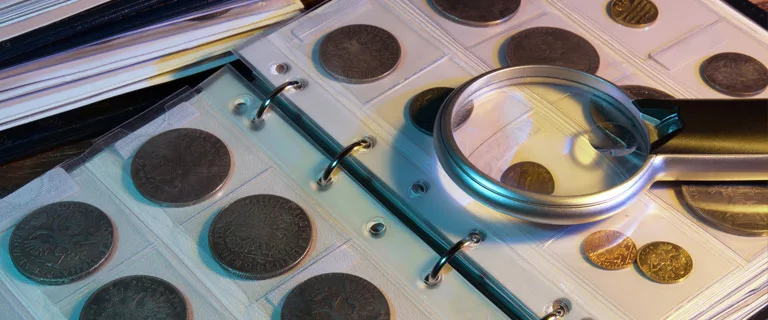
A few simple tools can make evaluation easier. A magnifying glass or loupe allows collectors to inspect fine details and surface quality. A small digital scale can help verify weight, which is useful for spotting potential alterations. Trusted reference books provide context for rarity and basic value ranges.
What collectors should avoid is just as important as what they can do. Cleaning, polishing, or attempting repairs often causes irreversible damage. Even gentle wiping can leave marks that lower a coin’s value. Coins should also never be stored loosely, where they can rub against each other.
Careful observation and restraint go a long way in protecting valuable coins while determining whether further evaluation is needed.
Using Coin Reference Guides and Online Resources
Reference guides are essential tools for understanding the potential value of a coin. One of the most widely used print resources is the Red Book, which provides historical context, mintage data, and general pricing across many U.S. coin series. Other specialized guides focus on specific denominations or time periods.
Online price guides can also be helpful, but they should be used carefully. Many list asking prices rather than what coins actually sell for. Realized auction results offer a more accurate picture of current market demand and pricing trends.
It is important to remember that listed prices are not guaranteed. Condition, eye appeal, and market timing all influence what a buyer is willing to pay. Values can also fluctuate based on broader economic conditions and collector interest.
Using multiple sources and focusing on recent sales data gives collectors a clearer understanding of where their coins may fall in today’s market.
When to Consult a Professional Coin Appraiser
There are times when professional evaluation is the smartest step a collector can take. Certain situations warrant expert insight, especially when the stakes are high.
Professional appraisal is strongly recommended for:
- Inherited collections with unknown contents or value
- Rare or unfamiliar coins that may have significant worth
- Gold and silver coins that could carry a numismatic premium beyond metal value
A qualified appraiser can confirm authenticity, assess condition accurately, and identify varieties or errors that may not be obvious. This protects sellers from undervaluing coins or making costly mistakes.
Professional appraisals are especially important when selling, insuring, or planning an estate. Accurate documentation helps ensure fair pricing and reduces the risk of disputes.
A reputable appraisal should include a detailed description of each coin, condition assessment, relevant market data, and a clear explanation of how values were determined. Working with a trusted professional gives collectors confidence and clarity when making decisions about valuable coins.
Common Mistakes Collectors Make When Assessing Value
Even experienced collectors can make mistakes when evaluating coins, and these errors often lead to missed opportunities or unnecessary losses. One of the most common assumptions is that age alone determines value. While older coins can be desirable, many were produced in large quantities and remain relatively common today.
Another frequent mistake is focusing only on face value or metal content. Some coins are worth far more than their silver or gold weight due to rarity, condition, or collector demand. On the flip side, not every precious metal coin carries a strong numismatic premium.
Cleaning coins before evaluation is one of the most damaging missteps. Cleaning can permanently reduce a coin’s value by altering its surface and removing original detail. Even light cleaning is often detectable to trained eyes.
Collectors should also be cautious about unverified online buyers or automated value estimates. Without professional evaluation, these sources can overlook important details or significantly undervalue valuable coins.
Avoiding these mistakes helps protect both the coin and the collector.
Frequently Asked Questions About Identifying Valuable Coins (FAQ)
How do I know if my coin is rare?
Rarity depends on mintage numbers and how many examples still exist today. Reference guides and auction records can help determine how often a coin appears on the market.
Are old coins always valuable?
No. Many old coins were widely produced and survive in large numbers. Condition and demand matter just as much as age.
Does cleaning a coin reduce its value?
In most cases, yes. Cleaning removes original surfaces and can significantly lower collector appeal and market value.
Should I get all my coins graded?
Not necessarily. Professional grading is most useful for higher-value coins where condition plays a major role in price.
Can damaged coins still be valuable?
Sometimes. Rare coins may still hold value despite damage, though the price is typically lower than that of problem-free examples.
How often do coin values change?
Coin values fluctuate based on market demand, precious metal prices, and collector interest. Some changes happen gradually, while others respond quickly to economic shifts.
Where to Buy, Sell, or Appraise Valuable Coins
Working with trusted, experienced dealers is essential when buying, selling, or appraising valuable coins. Accurate valuation requires more than a price guide. It takes market knowledge, authentication expertise, and an understanding of collector demand.
Local expertise matters because it allows for in-person evaluation, clear communication, and transparent transactions. Reputable dealers stand behind their assessments and prioritize education over pressure.
At CV Coins & Collectables, collectors benefit from decades of experience, honest appraisals, and an education-first approach. Whether you are selling a single coin or managing a larger collection, informed guidance helps you make confident decisions.
Conclusion: Turning Knowledge Into Confident Collecting
Identifying valuable coins starts with understanding what truly drives value. Rarity, condition, historical significance, and market demand all play a role, and no single factor tells the whole story.
A thoughtful approach helps collectors avoid common mistakes and recognize potential opportunities within their collections. While not every coin will be valuable, many collectors are surprised to learn that overlooked pieces can hold meaningful worth.Knowledge is the foundation of confident collecting. When questions arise or important decisions need to be made, professional insight can make all the difference. For appraisals, selling, or expert guidance, visit CV Coins & Collectables to ensure your coins are evaluated with care, accuracy, and experience.