
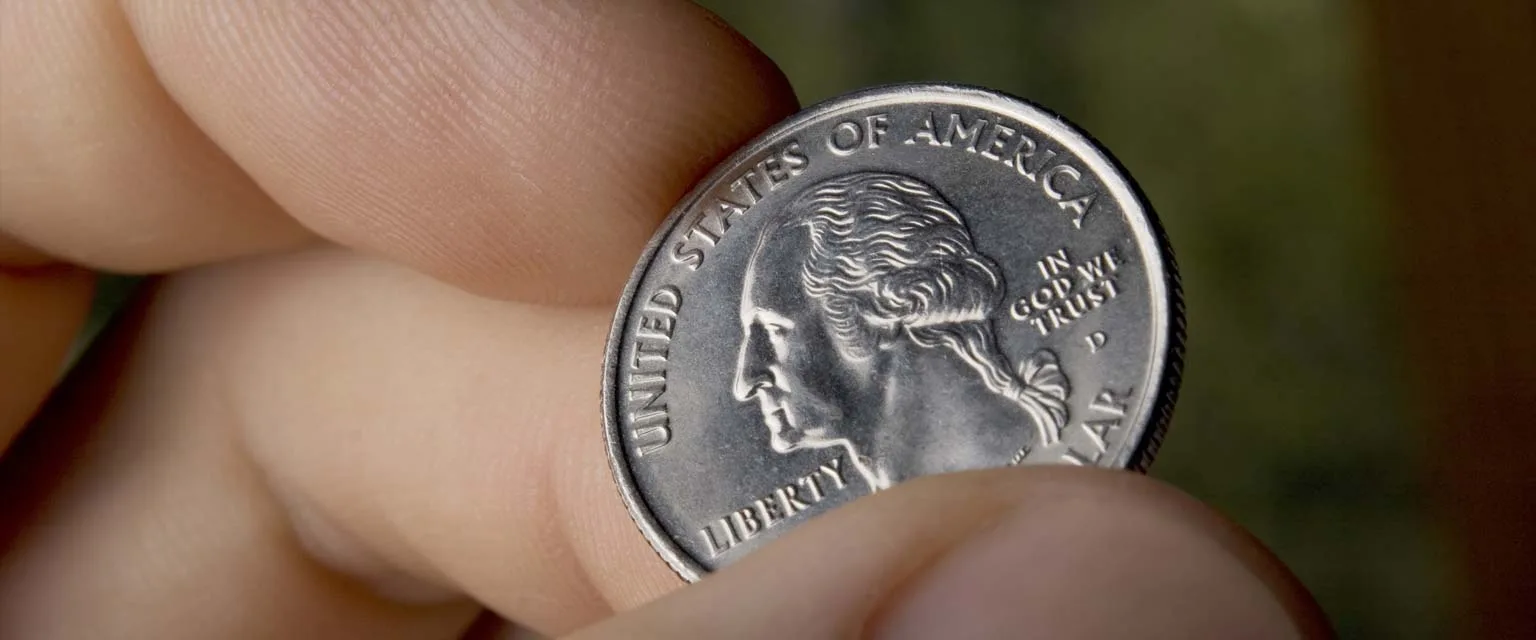

Whether you’re a seasoned collector or just starting your coin journey, here’s a fun way to test your knowledge about the coins in your pocket. How much do you really know about the process that turns raw metals into official U.S. currency? This blog is your chance to uncover fascinating facts about coin production, explore the history behind each piece, and see how understanding how money is made can add depth to your collecting experience.
From the copper pennies you see every day to bronze commemoratives and specialty alloy coins, the materials used tell a story. Each choice of metal reflects a combination of durability, cost-effectiveness, and historical significance. For collectors, knowing the metals behind coins—copper, bronze, nickel, and beyond—can reveal insights about minting periods, special editions, and why certain coins are more desirable than others.
By learning how coins are created, you not only gain appreciation for the artistry and engineering behind U.S. currency but also equip yourself to spot unique variations, collectible errors, and milestone coins that carry both historical and monetary value. Ready to put your knowledge to the test? Let’s dive into the fascinating world of coin production and explore what makes each piece more than just money in your pocket.
The Basics of How U.S. Money Is Made
The U.S. Mint has been producing coins for over two centuries, combining artistry, engineering, and precision. Every coin starts with raw metals sourced specifically for durability, affordability, and historical relevance. Copper, bronze, nickel, and other carefully blended alloys form the foundation of U.S. currency, chosen to withstand circulation while retaining a consistent appearance.
Once the metals are sourced, they are cast into sheets or strips and prepared for coin blanks, known as planchets. These blanks are carefully measured, polished, and inspected to meet strict weight and composition standards. Each step ensures the coins will meet the Mint’s rigorous specifications for size, weight, and metal content, which is crucial for circulation, collectibility, and long-term preservation.
The production process is a blend of artistry and technology. Skilled engravers design the coin faces, while precision machinery brings those designs to life. Throughout, quality control checks ensure coins meet standards and that errors—when they occur—can become sought-after collectibles. Understanding these basics gives collectors an appreciation not only for the coins themselves but also for the intricate process that transforms raw metal into the historic and collectible pieces we cherish today.
Coin Design and Engraving
Before any metal is struck, artists craft the coin’s design, including both the obverse (front) and reverse (back). Engravers then translate these designs into master dies, which are meticulously carved and polished. Accuracy is key, as every coin struck from these dies must maintain consistent detail, whether it’s a circulating penny or a commemorative bronze coin.
Planchet Preparation
Once the dies are ready, coin blanks—called planchets—are cut from metal sheets. These blanks are polished, weighed, and checked to ensure the correct alloy composition. For copper, bronze, or other metals, the precise mixture affects durability and color, making this step critical for both production and collector appeal.
Striking and Inspection
Mechanized presses strike the planchets, imprinting the detailed designs onto each coin. After striking, coins undergo inspection for defects, misalignments, or other imperfections. While most coins are flawless, some errors slip through, creating collectible varieties prized by enthusiasts.
Fun Facts About U.S. Coins
U.S. coins are full of surprises, and collectors love uncovering the unique stories behind each piece. From historical milestones to quirky oddities, there’s more than meets the eye in your coin collection.
Firsts and Milestones
- First U.S. coins: The earliest official coins were struck in 1793, with large cents and half cents marking the nation’s first steps in coinage.
- Introduction of copper cents: Copper quickly became the preferred metal for smaller denominations, valued for its durability and accessibility.
- Silver dollars and major issues: Silver dollars became a symbol of U.S. economic stability, with designs that reflected national pride.
- Historical composition changes: Coins have evolved in metal content over the centuries, responding to supply, cost, and economic conditions, which makes certain mint years highly collectible.
Surprising Coin Weights and Sizes
- Largest coins: Some commemorative and bullion coins can weigh multiple ounces, far heavier than standard circulation coins.
- Smallest coins: Fractional cents and tiny foreign coins sometimes influenced U.S. coin experimentation.
- Heaviest coins: Coins like the 1915 Panama Pacific $50 Gold can surprise collectors with their heft.
- Collector impact: Weight and size variations help identify rare or special issues, particularly in older or limited-mintage coins.
Hidden Details on Coins
- Symbols and microtext: Look closely at some coins, and you’ll see mint marks, hidden letters, or small design elements that are easy to miss.
- Mint marks: Identifying the mint location is key for collectors, as production differences can affect rarity and value.
- Secret design elements: Modern coins sometimes include subtle engravings to prevent counterfeiting and add collectible interest.
Error Coins and Oddities
- Off-center strikes: Coins where the design isn’t properly aligned.
- Double dies: Doubling of lettering or dates that occurs during die preparation.
- Wrong planchets: Coins struck on blanks meant for another denomination or composition.
- Collector appeal: These errors are rare, often making coins more valuable than their standard counterparts, and they provide a fascinating glimpse into the minting process.
The Role of Metals in Coin Production
Metals play a critical role in coin durability, appearance, and collector interest. Understanding copper, bronze, nickel, and modern alloys helps collectors appreciate both historical and contemporary U.S. coinage.
Copper Coins
- Why copper is used: Copper is highly durable and resistant to corrosion, making it ideal for pennies and other small denominations.
- Historical favorites: Early copper cents, such as the 1793 Chain Cent or 1909 Lincoln Cent, remain highly sought after by collectors.
- Collector insight: Copper content can influence value, especially in coins where the metal composition changed over time.
Bronze Coins
- Durable alloy: Bronze, a blend of copper and tin, has been a reliable choice for coinage for centuries.
- Historical significance: Bronze coins often mark important periods in U.S. history, from early circulation cents to commemorative issues.
- Notable examples: Bronze cents and early 20th-century coins are prized for their patina and historic value.
Modern Alloys
- Nickel and zinc blends: Contemporary coins often combine metals to reduce cost while maintaining strength and appearance.
- Impact on collectors: Alloy changes can affect coin color, weight, and collectible appeal, making certain transition years particularly interesting.
- Investment perspective: Awareness of metal composition helps collectors identify rare issues and potential value trends.
Coin Trivia: Test Your Knowledge
Think you know your U.S. coins? Test your numismatic knowledge with this fun trivia section! Even experienced collectors might be surprised by a few of these. Read the questions, make your guesses, and check your answers at the end.
Trivia Questions
- First U.S. Coins: In what year did the United States mint its first official coins?
- In 1943, the U.S. Mint produced pennies made of zinc-coated steel instead of copper. Why was this the only year this happened?
- Mint Marks: If a coin has a small “D” stamped on it, which U.S. Mint produced it?
- Coin Sizes: Which U.S. coin is the heaviest ever struck for circulation?
- Error Coins: What is it called when a coin is struck more than once, creating overlapping images?
- Historic Gold Coins: The Saint-Gaudens Double Eagle is widely considered one of the most beautiful U.S. coins. In what metal is it made?
- Composition Changes: The composition of U.S. coins, especially silver coins, changed dramatically during the 1960s and 1970s. In what year did the U.S. stop using 90% silver in quarters, dimes, and half dollars?
- Hidden Details: Some coins include microtext or secret symbols to prevent counterfeiting. True or False?
- Commemorative Coins: The U.S. Mint occasionally issues coins to mark anniversaries or historic events. Name one famous commemorative coin series.
- Bronze Coins: Bronze, a blend of copper and tin, has been used for many U.S. coins. Which denomination commonly used bronze in the 20th century?
Answer Key
- 1793 – The first official U.S. coins included large cents and half cents.
- 1943 was the only year zinc-coated steel pennies were made because copper was needed for ammunition during World War II.
- Denver – The “D” mint mark indicates the Denver Mint.
- The 1915 Panama Pacific $50 Gold weighing 2.67 t oz and selling between $85,000 – $200,000
- Double strike – Coins struck more than once are called double dies or double strikes.
- Gold – The Saint-Gaudens Double Eagle is struck in 22-karat gold.
- After 1964, the U.S. reduced silver content. From 1965-1970, only half dollars contained 40% silver. In 1971, President Nixon removed the U.S. from the Bretton Woods system of gold backing, ending the gold standard. The U.S. didn’t have enough gold to back all circulating currency, which led to the fiat currency system used today. The change in coin composition reflected this shift in monetary policy and the need to preserve precious metals.
- True – Modern coins sometimes include hidden text or symbols.
- Examples: 50 State Quarters, Bicentennial Coins, or other historic commemoratives.
- Penny (Cent) – Bronze was commonly used for U.S. pennies until the 1980s.
How did you do? Share your score with fellow collectors and see who really knows their U.S. coin history!
Tips for Collectors Who Want to Learn More About Coin Production
If you’re eager to dive deeper into how money is made, there are plenty of ways to expand your knowledge. Visiting U.S. Mint locations—Philadelphia, Denver, San Francisco, and West Point—provides firsthand insight into modern coin production and often includes guided tours showcasing design, engraving, and striking processes.
For those who prefer to learn from home, there is a wealth of resources available:
- Books: Guides on coin history, minting techniques, and coin grading are invaluable for understanding both the technical and historical aspects of coins.
- Websites and forums: Online communities and numismatic sites often share articles, photos, and discussion threads about minting errors, metals, and historical milestones.
- Studying compositions and errors: Paying attention to the metals used, weight variations, and common minting mistakes can sharpen your collector’s eye and enhance your appreciation for the craft.
By combining these resources, collectors can build a richer understanding of coin production, make informed purchasing decisions, and enjoy the educational side of numismatics.
Where to Buy, Sell, or Appraise Coins
When buying or selling coins, especially rare or historic pieces, working with reputable dealers is essential. Trusted professionals ensure accurate valuations, verify authenticity, and provide guidance for collectors of all experience levels.
At CV Coins & Collectables, our experts offer transparent pricing, professional appraisals, and decades of experience helping collectors in San Diego and beyond. Whether you’re looking to expand your collection, sell a rare coin, or get a professional evaluation, CV Coins provides reliable service and trusted expertise.
Conclusion
Understanding how U.S. coins are made adds both educational and collectible value to your collection. From metal selection and minting processes to recognizing errors and historical milestones, these insights make coin collecting more engaging and rewarding.
Exploring the history, metals, and production of coins helps collectors identify unique pieces, appreciate the craftsmanship behind everyday money, and make informed decisions when buying or selling. Whether you’re a seasoned collector or just starting out, studying coin production enriches your collecting journey and prepares you for new acquisitions.
Visit CV Coins & Collectables in person or online for professional appraisals, buying, selling, or to learn more about the fascinating world of U.S. coins.