
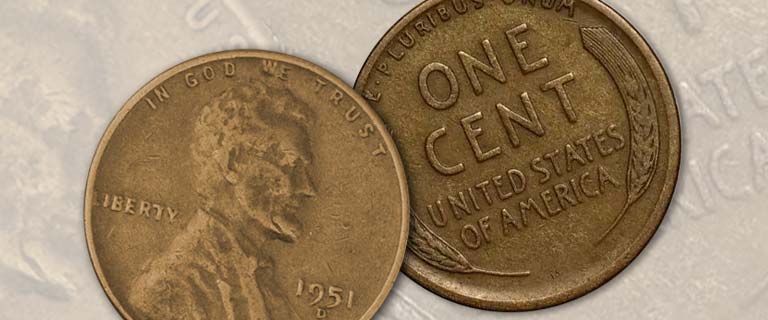

The Lincoln wheat penny is one of the most recognizable and widely collected coins in American numismatics. Produced from 1909 to 1958, these copper pennies feature Abraham Lincoln on the obverse and two wheat stalks on the reverse, earning them their iconic nickname. For decades, collectors and casual coin enthusiasts alike have searched through pocket change, inherited collections, and coin rolls hoping to find a valuable wheat penny.
But are Lincoln wheat penny coins actually worth money? The short answer is: it depends. While most wheat pennies found in circulation are worth only a few cents above face value, certain key dates, mint marks, and error varieties can be worth hundreds or even thousands of dollars. Understanding what makes a wheat penny valuable requires knowing what to look for. In this guide, you’ll learn about key dates, rare mint marks, condition factors, and errors that can turn an ordinary wheat penny into a collectible treasure.
What Is a Lincoln Wheat Penny?
The Lincoln wheat penny was introduced in 1909 to commemorate the 100th anniversary of Abraham Lincoln’s birth. Designed by sculptor Victor David Brenner, it became the first U.S. coin to feature a real historical figure rather than an allegorical representation of Liberty. The coin was struck from 1909 through 1958, making it one of the longest-running designs in U.S. Mint history.
Key design features include:
- Obverse (front): Portrait of Abraham Lincoln facing right, with the word “LIBERTY” to the left and the date below
- Reverse (back): Two wheat stalks flanking the words “ONE CENT” and “UNITED STATES OF AMERICA”
The wheat stalks on the reverse are what give these coins their popular name. They symbolize America’s agricultural abundance and remained a defining feature throughout the coin’s 50-year production run.
In 1959, the design changed. The wheat reverse was replaced with an image of the Lincoln Memorial to mark the 150th anniversary of Lincoln’s birth. This transition makes 1958 the final year of the wheat penny, and coins dated 1959 and later are known as Lincoln Memorial cents.
Are Wheat Pennies Worth Anything?
Most Lincoln wheat penny coins found in circulation today are worth between 3 cents and a few dollars, depending on their condition and date. While this may not seem like much, it’s important to understand that certain factors can dramatically increase a wheat penny’s value.
Value depends on several key factors:
- Rarity: Low-mintage dates or coins with limited survival rates
- Condition: Well-preserved coins in high grades command premium prices
- Mint mark: Where the coin was struck (Philadelphia, Denver, or San Francisco)
- Errors: Manufacturing mistakes that create unique varieties
Common circulation coins vs. collector-grade examples:
The vast majority of wheat pennies were produced in large quantities and spent decades in circulation. These worn coins typically hold minimal value beyond their copper content. However, coins that were saved in uncirculated condition or feature rare dates and mint marks can be worth significantly more.
For beginners, it’s important to set realistic expectations. Finding a valuable wheat penny in pocket change is rare, but not impossible. Understanding which dates and characteristics to look for increases your chances of identifying a coin worth more than face value.
Key Dates That Make Wheat Pennies Valuable
Not all wheat pennies are created equal. While millions were minted each year, certain dates stand out due to low mintage numbers, limited survival rates, or historical significance. These key date coins are highly sought after by collectors and can command prices ranging from tens of dollars to thousands, depending on condition.
Here are some of the most notable valuable wheat pennies:
1909-S VDB
- Mint mark: S (San Francisco)
- Why it matters: The designer’s initials “VDB” (Victor David Brenner) appeared prominently on the reverse but were removed after public controversy. The San Francisco mint produced only 484,000 of these coins before the design change, making it one of the most famous and valuable wheat pennies.
- Typical value: $700–$1,500+ in circulated condition; $2,000–$100,000+ in uncirculated grades
1914-D
- Mint mark: D (Denver)
- Why it matters: With a mintage of just 1,193,000, this is one of the lowest production runs in the wheat penny series. High demand and limited supply make it a key date for any serious collector.
- Typical value: $200–$500 in circulated condition; $2,000–$10,000+ in uncirculated grades
1922 No D (Plain)
- Mint mark: None (appears as a Philadelphia coin, but actually struck in Denver)
- Why it matters: This is an error coin. Due to over-polishing of the die, the “D” mint mark was completely removed, creating a rare variety. Only Denver minted pennies in 1922, so a 1922 penny without a mint mark is a recognized error.
- Typical value: $500–$1,000 in circulated condition; $20,000+ in high grades
1931-S
- Mint mark: S (San Francisco)
- Why it matters: During the Great Depression, coin production dropped dramatically. The 1931-S had a mintage of just 866,000, making it one of the scarcest wheat pennies from the 1930s.
- Typical value: $75–$150 in circulated condition; $200–$1,000+ in uncirculated grades
Other notable dates to watch for:
- 1909-S (without VDB)
- 1924-D
- 1926-S
- 1955 Doubled Die Obverse (major error variety)
The rarity of these coins, combined with strong collector demand, is what drives their value. Even in well-worn condition, these key dates are worth significantly more than common wheat pennies.
Here are the remaining sections:
Valuable Errors and Varieties to Look For
Error coins represent some of the most valuable and sought-after wheat pennies in the collector market. These coins were struck with manufacturing defects that create unique varieties, often making them worth far more than their standard counterparts.
Common types of wheat penny errors:
Double Die Errors
The most famous example is the 1955 Doubled Die Obverse, where the date and inscriptions appear dramatically doubled due to a misalignment during the die creation process. This error is easily visible to the naked eye and can be worth $1,000 to $2,000 in circulated condition, with uncirculated examples reaching $10,000 or more.
Off-Center Strikes
These occur when the planchet (blank coin) is not properly aligned during striking, resulting in a portion of the design missing. The value depends on how far off-center the strike is and whether the date remains visible. Significant off-center errors can be worth $50 to several hundred dollars.
Repunched Mint Marks (RPM)
These happen when the mint mark is punched into the die more than once in slightly different positions, creating a doubled or tripled appearance. While less dramatic than doubled dies, RPMs are collectible varieties that add value to common dates.
Die Cracks and Cuds
Die cracks appear as raised lines on the coin’s surface, while cuds are raised blobs of metal typically found at the rim. Major die breaks can add modest premiums to otherwise common coins.
Why errors matter:
Errors increase collector demand because they represent one-of-a-kind manufacturing anomalies. However, it’s crucial to verify authenticity before assuming value. Damage, post-mint alterations, or environmental wear can sometimes mimic true errors. When in doubt, consult a professional or submit the coin for third-party grading.
How Condition Impacts Value
A wheat penny’s condition, or grade, can be the single most important factor in determining its value. The same coin in worn condition might be worth a few dollars, while an uncirculated example could be worth hundreds or even thousands.
Understanding the grading scale:
Coin grading ranges from Poor (P-1) to Perfect Mint State (MS-70). Most wheat pennies fall somewhere in between. Professional grading services like PCGS and NGC use a numeric scale to assign precise grades, but collectors can learn to evaluate condition using basic criteria.
Key things to look for when assessing condition:
- Lincoln’s face and hair: Look for sharp, clear details. Wear typically shows first on Lincoln’s cheek, jaw, and hair.
- Wheat stalks: The lines in the wheat should be distinct and well-defined. Heavy wear will flatten these details.
- Surface quality: Check for scratches, corrosion, spots, or discoloration that detract from eye appeal.
- Overall sharpness: A crisp strike with strong detail throughout indicates better preservation.
Circulated vs. Uncirculated:
- Circulated coins show signs of wear from handling and use. These are graded from About Good (AG-3) to About Uncirculated (AU-58).
- Uncirculated coins (Mint State) have no wear from circulation and retain their original luster. These are graded from MS-60 to MS-70.
Color designations for copper coins:
- Red (RD): Original bright copper color, most desirable
- Red-Brown (RB): Partial toning with some red remaining
- Brown (BN): Fully toned to brown, least valuable
A 1909-S VDB in Brown MS-63 might be worth $2,500, while the same coin in Red MS-63 could bring $5,000 or more. Small differences in grade and color can translate to significant price gaps, especially for key dates.
How to Check If Your Wheat Penny Is Valuable
Evaluating a wheat penny doesn’t require expert knowledge, but it does require a systematic approach. Follow these steps to determine whether your coin might be worth more than face value.
Step-by-step evaluation process:
1. Check the date and mint mark
Look at the date on the obverse. Then check just below the date for a small letter: “D” (Denver), “S” (San Francisco), or no mark (Philadelphia). Compare your coin against the key date list to see if it falls into a valuable category.
2. Look for visible errors
Examine the coin carefully under good lighting. Check for doubling in the date or lettering, off-center strikes, repunched mint marks, or unusual die characteristics. Use a magnifying glass to spot subtle errors.
3. Assess condition
Evaluate the overall wear and preservation. Is the coin sharp and detailed, or heavily worn? Does it retain original luster, or has it toned to brown? Honest condition assessment is critical for realistic value expectations.
4. Compare with price guides
Consult reputable resources like the Red Book (A Guide Book of United States Coins), PCGS Price Guide, or NGC Coin Explorer. Match your coin’s date, mint mark, and approximate grade to current market values.
Tools that help:
- Magnifying glass or loupe: Essential for spotting mint marks and errors
- Digital scale: Can help verify weight and detect counterfeits
- Reference images: Compare your coin to graded examples online
When to seek professional appraisal:
If you believe you have a key date, rare error, or high-grade coin, consider getting a professional opinion. Local coin dealers, coin shows, or professional grading services can provide expert evaluation. For potentially valuable coins, third-party grading adds credibility and can significantly enhance resale value.
Where to Sell or Appraise Wheat Pennies
If you’ve identified a potentially valuable wheat penny, the next step is getting it properly appraised or sold. Choosing the right avenue can make a significant difference in the price you receive.
Local coin shops
Reputable local dealers offer convenience and immediate payment. They can evaluate your coins on the spot and make fair offers based on current market conditions. This is often the best option for common-date wheat pennies or smaller collections.
Reputable dealers
Established numismatic dealers with strong industry reputations provide expertise and transparency. They understand the market and can offer competitive pricing, especially for key dates and higher-grade coins.
Auctions
For rare dates, high-grade specimens, or significant error coins, consigning to a professional auction house may yield the best results. Auctions attract serious collectors willing to pay premium prices for exceptional coins.
Why working with trusted professionals matters:
Experienced dealers provide accurate grading, transparent pricing, and honest assessments. They can help you understand what you have and what it’s realistically worth in today’s market.
At CV Coins & Collectables, we offer experienced evaluations with an education-first approach. Our team takes the time to explain what makes a coin valuable and provides transparent pricing based on current market data. Whether you’re selling a single key date or an entire collection, we’re here to help.
Most wheat pennies are worth between 3 cents and a few dollars in circulated condition. Common dates from the 1940s and 1950s typically bring minimal premiums. However, key dates, rare mint marks, and error coins can be worth hundreds to thousands of dollars depending on condition and rarity.
The 1909-S VDB is widely considered the most famous and desirable wheat penny due to its low mintage of 484,000 coins and the controversy surrounding the designer’s initials. Other extremely rare coins include the 1922 No D (Plain) error and the 1914-D. In terms of condition rarity, high-grade Red examples of early dates are exceptionally scarce.
Most wheat pennies are made of 95% copper and 5% tin and zinc. However, in 1943, due to World War II copper shortages, the U.S. Mint produced steel pennies coated with zinc. These 1943 steel cents are silver in color and are not technically wheat pennies in composition, though they share the same design. Copper production resumed in 1944.
Check the date and mint mark first. Compare your coin against known key dates like 1909-S VDB, 1914-D, 1922 No D, and 1931-S. Look for visible errors such as doubled dies or off-center strikes. Assess the coin’s condition—uncirculated coins with original red color are worth significantly more than heavily worn examples. Use a magnifying glass and consult reputable price guides for accurate valuations.
No. Never clean your coins. Cleaning removes the original surface and patina, which significantly reduces collector value. Even gentle cleaning methods can cause microscopic damage that is visible under magnification. Collectors and dealers strongly prefer coins in their natural, unaltered state.
You can sell wheat pennies to local coin shops, reputable dealers, or through auction houses for higher-value coins. Choose a trusted professional who provides transparent evaluations and fair pricing. At CV Coins & Collectables, we offer expert appraisals and honest assessments to help you understand what your coins are worth.
Conclusion
While most Lincoln wheat pennies are common and worth only a modest premium, certain dates, mint marks, and errors can be quite valuable. The key is understanding what makes a wheat penny worth more than face value: rarity, condition, and unique characteristics like errors.
Whether you’ve inherited a collection, found a wheat penny in pocket change, or are actively building a set, careful evaluation is essential. Focus on key dates like the 1909-S VDB and 1914-D, look for significant errors like the 1955 Doubled Die, and prioritize condition—especially high-grade uncirculated examples with original red color.
Avoid common mistakes like cleaning your coins or overestimating value based on age alone. Instead, use reputable resources, invest in proper tools like a magnifying glass, and seek professional guidance when needed.If you have wheat pennies and want to know their value, CV Coins & Collectables is here to help. Our experienced team provides honest appraisals, transparent pricing, and educational support to help you make informed decisions about your collection. Visit us or contact us today for expert guidance on your Lincoln wheat pennies.