
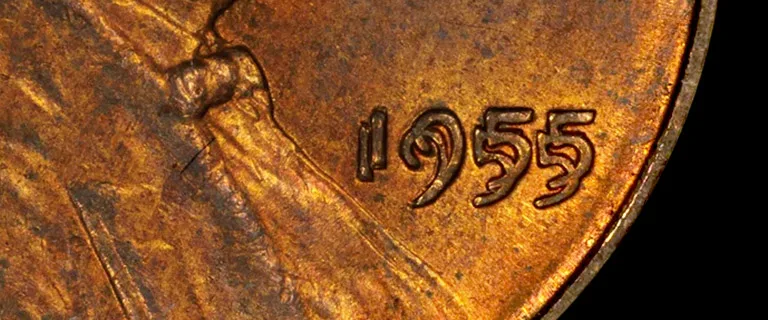

Error coins represent some of the most intriguing pieces in the numismatic world. These are coins that contain production mistakes, making each one unique in ways that standard coins never are. For collectors, error coins offer a tangible connection to the mechanics of coin production and a glimpse into moments when something went wrong at the mint.
Rarity drives collector demand, and demand drives value. An error coin that appears in only a handful of surviving examples commands premium prices. When supply is limited, and demand is consistent, value naturally follows. This makes error coins rewarding for both casual hobbyists and serious investors.
What Are Error Coins?
Error coins are coins that contain mistakes made during the production process at the mint. These are not intentional variations or design changes approved by officials. Instead, they are unintended deviations from standard production that resulted in coins being released into circulation despite containing flaws.
How Errors Occur in Production
Coin production involves multiple steps, each presenting opportunities for error:
- A die might be struck incorrectly
- A blank planchet might be improperly prepared
- The coin press itself might malfunction
- A die could crack or wear unevenly
Mint employees inspect coins as they come off the presses, but occasionally errors slip through quality control and enter circulation.
Errors vs. Varieties
Understanding the distinction between errors and varieties matters. Varieties are intentional design changes or variations that occur during normal production. A mint might intentionally produce coins with different designs for different regions. Varieties are expected and documented by the mint.
Errors, by contrast, are unintended mistakes that the mint would have corrected if discovered during production. This fundamental difference makes errors much scarcer than varieties.
Why Errors Happen
The process requires precise coordination between dies, planchets, and machinery. Despite quality control measures, perfection is impossible. Dies wear and eventually crack. Machines occasionally misalign. Blank planchets sometimes contain foreign material. Human operators are part of the process, and human attention can lapse. These realities mean that errors are an inherent part of coin production, even at modern mints with advanced equipment.
Types of Error Coins
Error coins fall into distinct categories based on where in the production process the mistake occurred. Understanding these types helps collectors identify errors and appreciate their characteristics.
Striking Errors
Striking errors occur when the coin press malfunctions or the dies misalign during striking:
- Misalignment errors occur when dies are not properly centered, resulting in off-center coins where the design appears shifted to one side
- Broadstrike errors happen when a coin is struck without being properly contained, causing the design to extend beyond the normal coin boundary
- Multiple strike errors occur when a coin passes through the press more than once, receiving multiple impressions
Die Errors
Die errors originate from problems with the dies themselves. A die crack forms when stress causes the steel die to develop a crack, which then appears as a raised line on every coin the die produces until removal from service. Die cuds occur when a section of the die breaks away, creating a missing portion of the design that appears as a blank area on the coin. Die chips are smaller pieces of the die that break off, leaving small gaps in the design.
Planchet Errors
Planchet errors involve problems with the blank metal disc before striking. Clipped planchet errors result when the punch that cuts blanks from a strip of metal misses slightly, removing only a portion of the blank. Lamination errors occur when layers of the planchet material separate due to manufacturing defects in the metal itself. Off-metal errors happen when a blank made from the wrong metal composition reaches the coin press and gets struck.
Mint Mark Errors
Mint mark errors are a specialized category where the mint mark itself is wrong. A coin might be struck with the wrong mint mark, or a mint mark might be doubled or misplaced. These errors are particularly collectible because they’re easily visible and tell a clear story about what went wrong.
Error Coins in Gold
Gold error coins represent some of the most valuable pieces in the error coin market. Their rarity is enhanced by the fact that far fewer gold coins are produced compared to base metal coins, making errors in gold inherently scarcer than errors in copper, nickel, or other metals.
Gold Error Coins and Rarity
Gold coins have always represented a smaller portion of mint production. Fewer coins struck means fewer opportunities for errors to occur. When an error does happen on a gold coin, there are typically far fewer surviving examples than errors found on more commonly produced denominations.
Common Gold Errors to Know
Gold error coins include the same types of errors found on other coins: off-center strikes, broadstrikes, clipped planchets, and striking errors. What matters most with gold errors is that each type remains extraordinarily scarce. A gold coin struck off-center, for example, becomes instantly more valuable than its base metal counterpart because gold itself carries premium value and the coin’s rarity is multiplied.
Why Gold Errors Command Premiums
Gold errors command higher prices for multiple reasons:
- The base metal value alone makes the coin valuable
- The error itself adds significant rarity
- Collector demand for gold coins is consistently strong
- Fewer gold error coins exist in the marketplace
Error Coins in Silver
Silver error coins occupy a middle ground in the error coin market. More common than gold errors but less readily available than base metal errors, silver errors attract collectors seeking coins with both numismatic and precious metal value.
Silver Error Coins Overview
Silver coins were produced in significant quantities by U.S. mints until 1964, and production resumed in limited quantities afterward through special collector programs. This production history means silver errors exist in varying quantities depending on their date and type. Pre-1965 errors tend to be scarcer since they’ve had decades to be lost or spent.
Types of Silver Errors
Silver error coins include all standard error types: off-center strikes, broadstrikes, clipped planchets, die cracks, and die chips. Additional silver-specific errors include lamination errors where the silver composition layers separate, and wrong metal errors where silver coins are struck on incorrect planchets. Each type commands collector interest based on its rarity and degree of visibility.
Collecting Silver Error Coins
Building a silver error collection is accessible for many collectors. Unlike gold errors, which command premium prices, silver errors often fall into moderate price ranges. This makes silver errors an excellent entry point for collectors new to error coins. Collectors often focus on specific denominations like silver dollars or quarters, or they collect all error types from a particular year.
Market Demand and Pricing
Silver error coin prices depend on several factors:
- The type and severity of the error
- The coin’s condition
- Silver’s current market value
- The coin’s historical rarity
- Whether the coin has been professionally certified
Popular silver errors command consistent demand from both error collectors and precious metals investors. The combination of numismatic and bullion interest creates a stable market for quality silver error coins.
Building an Error Coin Collection
Starting an error coin collection is rewarding and accessible to collectors at any level. Begin by deciding what interests you most. Some collectors focus on specific error types like off-center strikes or broadstrikes. Others pursue errors from a particular decade or denomination. Having a clear focus helps you develop expertise and avoid random purchases.
Starting a Collection
Start small and learn as you go. Buy one or two error coins and study them carefully. Join online communities dedicated to error coin collecting. Read reference guides and educational materials. This foundation will serve you well as your collection grows.
Where to Find Error Coins
Error coins come from multiple sources. Coin dealers specializing in errors often have extensive inventories. Coin shows and conventions provide opportunities to view coins in person before purchasing. Online auctions like Heritage Auctions and Stack’s Bowers frequently feature error coins. Bank rolls remain a classic hunting ground for modern error coins, though finding significant errors this way requires patience and knowledge.
Grading and Authentication
Professional certification through PCGS or NGC protects your investment and increases market value. Certified coins come with a detailed grade and authentication guarantee. For valuable errors, certification is worth the cost. For lower-value errors, you may choose to collect them raw, though certified examples always command stronger prices.
Budget Considerations
Error coins exist at every price point. Affordable errors under fifty dollars allow you to build a diverse collection without significant investment. More dramatic errors can cost hundreds or thousands of dollars. Create a budget that lets you collect steadily without overextending yourself.
Frequently Asked Questions
What makes one error more valuable than another?
Rarity is the primary driver of error coin value. Errors that appear in only a handful of surviving examples command premium prices. The visibility and appeal of the error matter too. A dramatic off-center coin is more desirable than a subtle die chip. Condition also affects value: higher-grade examples typically cost more.
Can I find valuable errors in circulation?
Yes, but it’s rare. Modern errors do occasionally escape quality control and enter circulation. Older errors are less likely to be found since they’ve had decades to be lost or spent. Coin roll hunting and careful examination of pocket change can yield discoveries, though most finds have modest values.
Should I clean my error coins?
No. Cleaning removes the coin’s original surface and damages its value. Even light cleaning can significantly reduce market value. Store error coins in proper holders and handle them by the edges only to preserve their condition.
How do I know if my coin is really an error?
Compare your coin carefully to known examples in reference guides and online resources. Consult experienced error coin collectors or dealers for verification. Many coins that look unusual are simply damaged or worn, not errors. Professional authentication through PCGS or NGC provides definitive answers.
Conclusion
Error coins represent one of numismatics’ most fascinating collecting specialties. These accidental rarities tell stories of production processes, human error, and mechanical failure. Each error coin is unique, offering collectors the thrill of discovery and the satisfaction of owning a piece that no one intended to create.
The appeal of error coins crosses all collector types. Beginners find them accessible and affordable. Serious collectors pursue rare errors that command significant prices. Investors appreciate their rarity and the potential for appreciation over time. Everyone who collects error coins shares a passion for coins that stand apart from ordinary coinage.
Whether you’re checking pocket change, exploring bank rolls, or bidding at auctions, error coins offer endless opportunities for discovery. Start small, learn the basics, and let your collection grow naturally. If you have questions about identifying, valuing, or collecting error coins, visit CV Coins & Collectables to learn more and connect with our team.