
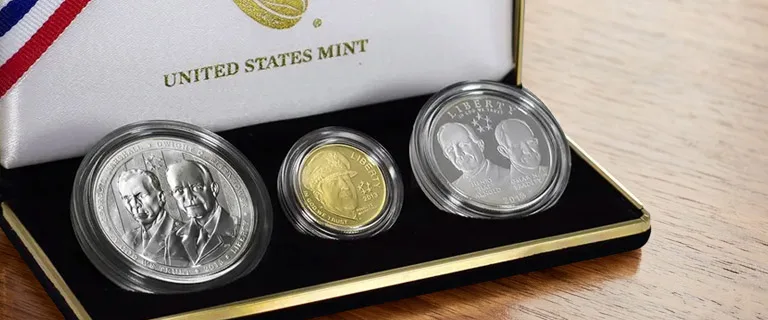

Commemorative coins are specially issued coins that celebrate significant events, people, or milestones. Unlike everyday circulating coins, they feature unique designs, limited production runs, and often have finishes that make them stand out. Collectors prize these coins for their historical value and artistry, while investors are drawn to the potential long-term value and rarity certain issues can offer.
Interest in commemorative coins is growing worldwide. Collectors are increasingly seeking both domestic and foreign releases, from early U.S. exposition coins to modern international editions. These coins offer more than just monetary value. They capture culture, history, and stories that transcend borders.
In this guide, readers will learn how commemorative coins have evolved, what influences their value, and how to verify authenticity. We’ll also share practical strategies for buying, preserving, and building collections. Whether you’re new to numismatics or an experienced collector, understanding the nuances of commemorative coins will help you make informed decisions and appreciate both their aesthetic and investment potential.
What Are Commemorative Coins?
Commemorative coins are minted to honor a person, event, or milestone and are distinct from standard circulating coins. They often have:
- Limited production for increased scarcity
- Special designs or finishes that enhance detail
- Collectible appeal beyond face value
There are several types of commemorative coins:
- Circulating commemoratives – legal tender coins released for everyday use but with special designs.
- Non-circulating legal tender (NCLT) – produced mainly for collectors, rarely used as currency.
- Bullion editions – focus on metal content and investment value.
- Proof or collector editions – feature polished dies, mirror-like finishes, and close attention to detail.
Government mints, such as the United States Mint, play a critical role in issuing commemoratives. Official authorization ensures coins meet legal and quality standards, distinguishing them from unofficial or private replicas. Understanding the type, origin, and authorization of a commemorative coin is key to evaluating authenticity, collectible value, and long-term investment potential.
The History of U.S. Commemorative Coins
Early U.S. Commemoratives (1892–1954)
The first U.S. commemorative coins appeared in 1892 to mark the 400th anniversary of Christopher Columbus’s voyage. Early coins were often tied to:
- Historical events – expositions, fairs, and major milestones
- Limited mintages – creating scarcity for collectors
- Distinctive designs – artwork reflecting the commemorated event
Collectors valued these early issues for their uniqueness and artistic detail. Today, many are highly sought after, particularly those with low production numbers or connections to important historical events.
Modern U.S. Commemorative Programs (1982–Present)
After a long break, the United States Mint resumed commemorative coin programs in 1982. Modern issues continue to celebrate historical events, national parks, military milestones, and influential figures. Key points include:
- Proof vs. uncirculated coins – proof coins have polished, mirror-like surfaces, while uncirculated coins maintain a standard finish with careful quality control.
- Limited production – scarcity can increase collectible and investment value.
- Popular themes – U.S. Olympic teams, centennials of national parks, iconic American leaders.
Modern programs also provide documentation and packaging to help collectors verify authenticity. Whether completing a themed set or acquiring a single special release, collectors benefit from knowing the history, significance, and production details of each coin.
Commemorative Coins Around the World
Commemorative coins are popular far beyond the United States, with countries across Europe, Canada, Asia, and other regions issuing special coins to mark history, culture, and achievements. International mints produce a variety of themes, limited editions, and precious metal releases that attract both collectors and investors. By understanding global programs, collectors can diversify their collections and gain insight into regional design styles, minting innovations, and cultural significance.
European Issues
European mints frequently honor royal anniversaries, historic milestones, and major cultural events. The Royal Mint in the United Kingdom, for example, issues coins celebrating monarchs, national anniversaries, and notable institutions. Across the Eurozone, commemorative €2 coins are highly collectible, highlighting regional heritage, events, and milestone achievements. These coins often feature intricate designs and serve as legal tender while remaining appealing to collectors for their scarcity and artistry.
Canadian & Commonwealth Releases
The Royal Canadian Mint is known for innovation in commemorative coin design, including advanced colorization techniques and creative finishes. Popular themes include wildlife, national symbols, and cultural events, with releases frequently celebrating both Canadian history and broader Commonwealth milestones. Collectors value these coins for their limited production runs, high-quality finishes, and unique artistic approaches that distinguish them from other international issues.
Asian & Other Global Mints
Asian mints, such as the China Mint, produce programs that include lunar series, commemorative gold and silver coins, and other collector-focused releases. Limited-edition coins tied to international events, such as anniversaries, festivals, or sports competitions, are increasingly sought after by global collectors. These programs often emphasize high-quality craftsmanship, precious metal content, and exclusivity, making them attractive both as investments and display pieces.
What Makes Commemorative Coins Valuable?
Several factors influence the value of commemorative coins. Mintage limits and scarcity are key, as lower production numbers typically increase desirability. The metal content, whether gold, silver, or clad, affects intrinsic value, while the coin’s condition and grading, including proof or uncirculated status, determine collectible appeal. Original packaging and certificates of authenticity further enhance value, providing proof of origin and preserving the coin’s condition. Historical or cultural significance can make certain coins highly sought after, and market demand, trends, and collector interest continually shape prices. Understanding these elements helps collectors make informed decisions and identify coins with both aesthetic and investment potential.
How to Identify Authentic Commemorative Coins
Authenticity starts with official mint markings and inscriptions, which confirm the coin’s origin and legitimacy. Physical specifications such as weight, diameter, and metal composition should match official standards. Certificates of authenticity and presentation boxes provide additional verification, while third-party grading services can offer impartial evaluation of condition and value. Collectors should be cautious of replicas or privately minted medallions, which may imitate official designs but lack formal authorization. Careful attention to these factors ensures that coins are genuine and maintain long-term collectible and investment value.
Understanding Limited Editions and Special Releases
Limited editions and special releases are highly prized in the world of commemorative coins, with scarcity often driving collector interest. Coins with restricted mintage typically hold higher long-term value than those produced in unlimited quantities. First strike or early release labels can make coins particularly desirable, indicating they were among the initial batch struck by the mint. Anniversary sets and coins with unique finishes—such as proof, reverse proof, or matte—add another layer of collectibility.
Key factors to consider:
- Limited mintage vs. unlimited production: Scarce coins tend to appreciate faster.
- Special labels: First strikes and early releases often carry a premium.
- Unique finishes: Proof and other finishes highlight craftsmanship and exclusivity.
- Impact on value: Limited availability, combined with demand, can increase resale potential over time.
Buying and Selling Commemorative Coins
Tips for Buyers
Purchasing commemorative coins requires careful research and comparison. Check prices across reputable dealers to ensure fair value, and understand premiums over intrinsic metal content. Avoid making impulse buys based on hype or marketing, and focus on coins that match your collecting goals.
- Research the coin’s history and mintage.
- Compare pricing across multiple sources.
- Consider premiums beyond metal content.
- Stay patient—avoid impulse purchases.
Tips for Sellers
Selling commemorative coins successfully involves timing, documentation, and appraisal. Consider professional evaluation for high-value pieces, and ensure original packaging and certificates accompany the coin. Tracking market trends can help you sell when demand and prices are favorable.
- Obtain a professional appraisal for rare coins.
- Preserve original packaging and documentation.
- Monitor market trends for optimal timing.
Preserving and Storing Commemorative Coins
Proper preservation ensures long-term value. Handle coins carefully, ideally with gloves, to prevent oils or scratches. Store coins in a climate-controlled environment to avoid humidity and temperature fluctuations, and use protective holders or capsules to prevent damage. Avoid cleaning coins, as improper methods can reduce their collectible value.
Are Commemorative Coins a Good Investment?
Commemorative coins can be both a passion and an investment, but collectors should understand market dynamics. Precious metal prices fluctuate, and coins with historical or cultural significance often outperform standard bullion in long-term value. Diversifying your collection across types, metals, and mints can help mitigate risks. Collecting for enjoyment, education, and preservation often yields the most rewarding experience, even when profit is a consideration.
- Collect for passion, knowledge, and enjoyment.
- Recognize market volatility in precious metals.
- Study historical trends and coin scarcity.
- Diversify your holdings to reduce risk.
Frequently Asked Questions About Commemorative Coins
Commemorative coins are specially issued coins that honor significant events, people, or cultural milestones. They can be circulating or non-circulating legal tender, often produced in limited quantities with unique designs or finishes.
Look for official mint markings, precise weight and dimensions, and any certificates or presentation packaging. Professional grading services can provide additional assurance of authenticity.
Yes. Coins with lower mintage or special features like first strike, proof finishes, or anniversary sets tend to be more collectible and often appreciate faster than unlimited issues.
Both approaches are possible, but collecting for passion, history, and preservation often leads to the most rewarding experience. Investment potential depends on scarcity, demand, and precious metal content.
Handle coins carefully, ideally with gloves, and store them in protective holders or capsules. Keep coins in a climate-controlled environment, avoid direct sunlight, and never clean them with harsh methods.
Yes. Many collectors diversify internationally, but it’s important to research mintage, authenticity, and market demand for foreign issues before purchasing.
Trusted dealers, professional grading companies, and certified appraisers can provide evaluations. Proper documentation and packaging can help ensure a fair assessment of a coin’s value.
Conclusion
Commemorative coins combine artistry, history, and investment potential, but successful collecting requires education, authentication, and careful decision-making. Focus on understanding limited editions, verifying authenticity, and preserving your coins properly. Thoughtful collectors who prioritize knowledge and documentation are best positioned to enjoy both the historical and financial value of commemorative coins. Consult a trusted dealer or appraiser like CV Coins & Collectables for guidance when buying or selling to ensure confidence.