
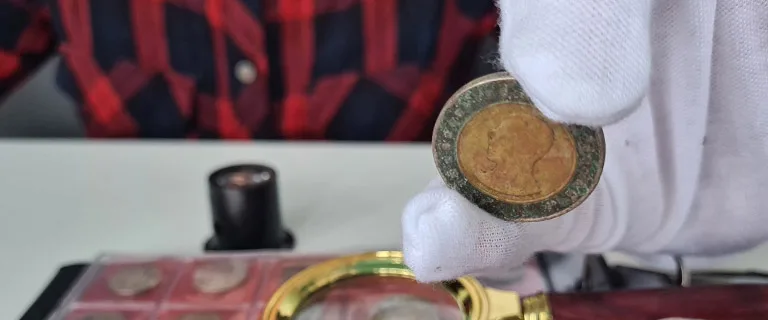

Buying collectible coins can be a rewarding experience, offering both historical fascination and potential financial gain. However, the market carries inherent risks, and even small missteps can lead to overpaying, acquiring low-quality coins, or unintentionally purchasing counterfeits. Education and due diligence are essential to navigating this space confidently. Whether you’re a first-time collector or a seasoned hobbyist, understanding common pitfalls can save both money and frustration. In this guide, we’ll highlight the mistakes most buyers make, from skipping research to overlooking authentication, and provide practical strategies to make informed purchases that enhance your collection while protecting your investment.
Buying Collectible Coins Without Proper Research
One of the most frequent mistakes in the coin market is making purchases without sufficient research. Impulse buys, especially driven by attractive listings or trending social media posts, often lead to regret. A coin’s value and desirability depend on several key factors:
- Historical background: Knowing a coin’s story and significance can clarify its rarity and appeal.
- Mintage numbers: Limited-run coins are usually more valuable; higher production runs can affect long-term worth.
- Market demand: Collector interest varies by year, theme, and type, influencing both price and liquidity.
Using reputable price guides and auction records allows buyers to benchmark fair market value and spot overpriced items. Relying solely on online marketplaces or social media hype increases the chance of overpaying or encountering misleading listings.
Research checklist before purchasing:
- Verify the coin’s type, year, and mint mark.
- Compare prices across multiple trusted sources.
- Check auction results for similar coins.
- Read expert articles or collector forums for insight on trends and rarity.
Thorough research ensures you understand the coin’s value and reduces the likelihood of costly mistakes.
Failing to Verify Authenticity
Counterfeits are an increasingly common challenge in the collectible coins market. Even experienced collectors can be deceived if they don’t carefully examine authenticity. Key red flags include:
- Coins that are lighter or heavier than expected, or have incorrect dimensions.
- Missing, altered, or poorly struck mint marks.
- Listings with prices suspiciously lower than comparable coins.
Third-party authentication plays a vital role in confirming a coin’s legitimacy. Reputable grading services not only verify authenticity but also provide professional assessments of condition, which can significantly impact value. Purchasing from trusted dealers reduces the risk of counterfeits, providing peace of mind and ensuring your investment is secure.
Ignoring Coin Grading and Condition
A coin’s condition is one of the most critical factors in determining its value. Collectors and investors often rely on standardized grading scales that range from Poor (P‑1) to Mint State (MS‑70) to assess quality. Even subtle differences in wear, luster, or strike can create significant price variations. For example, two coins of the same year and mintage can differ by hundreds or thousands of dollars if one is uncirculated while the other shows visible wear.
Professionally graded coins are evaluated by third-party services and come with certification that verifies both authenticity and condition. Raw coins, or ungraded pieces, can still be valuable, but buyers must exercise caution as visual assessments can be misleading. Common mistakes include overestimating a coin’s condition, failing to notice cleaning or surface damage, and assuming identical coins carry the same value.
Paying attention to grading ensures you accurately gauge a coin’s worth and prevents costly errors. Even small imperfections, like scratches, corrosion, or polishing, can reduce value dramatically. By understanding grading standards, collectors can make informed decisions and confidently navigate the marketplace, whether purchasing raw coins for personal enjoyment or certified pieces for investment purposes.
Overpaying for Collectible Coins
Overpaying is a risk even for experienced collectors. Understanding fair market value versus asking price is essential. Dealers often include markups or premiums to cover costs and profit, but these should align with market standards. Auction settings, particularly competitive bidding, can create “auction fever,” prompting buyers to pay more than the coin’s intrinsic or numismatic value.
Emotional buying, such as letting excitement override research, can lead to regrettable purchases. Disciplined collectors compare multiple sources before committing, considering historical pricing, auction records, and dealer quotes. By approaching purchases methodically, collectors avoid inflated prices and maximize the value of their investments.
Overlooking Market Trends and Demand
Collector interest shifts over time, influencing which coins command premiums. Economic conditions, such as inflation or recessions, can affect demand for certain metals or rare issues. Metal prices, like gold and silver, interact with numismatic premiums, meaning a coin’s base metal value is only part of its total worth.
Not every “hot” coin is a smart long-term investment. Understanding market trends, maintaining patience, and timing purchases strategically helps collectors acquire coins with enduring value rather than chasing temporary hype.
Not Working With Reputable Dealers
Partnering with established, experienced coin professionals offers numerous advantages. Trusted dealers provide transparency in pricing, reliable appraisals, and clear return policies or guarantees. They can guide both new and seasoned collectors through complex purchases and offer insight into market trends.
Building long-term relationships with reputable dealers ensures access to quality coins, expert advice, and support when buying or selling. This trust and guidance reduce risk, enhance confidence, and ultimately make the collecting experience more enjoyable and profitable.
Neglecting Proper Documentation and Storage
Proper documentation and storage are critical for protecting your collectible coins and maintaining their value. Keeping receipts, grading certificates, and appraisal records ensures you can verify authenticity and provenance when buying, selling, or insuring coins.
Safe storage practices help prevent damage:
- Use protective holders, capsules, or flips for individual coins
- Store coins in a climate-controlled environment to avoid humidity or temperature swings
- Avoid direct sunlight and areas prone to moisture
Handling coins incorrectly or attempting to clean them can permanently reduce their value. Documentation and careful storage not only preserve your coins’ condition but also safeguard your investment for the long term.
Smart Strategies for Buying Collectible Coins
A strategic approach helps collectors avoid common pitfalls:
- Set a goal or niche: Focus on a specific series, era, or type of coin to develop expertise
- Prioritize quality over quantity: A few high-quality coins are often better than many lower-grade pieces
- Build knowledge first: Learn about grading, mintage, and market trends before spending heavily
- Consider professional guidance: Trusted dealers or appraisers can provide advice on higher-value purchases
- Think long term: Avoid chasing hype; patience often leads to better acquisitions and more stable investments
By following these strategies, collectors can make smarter purchases and enjoy a more rewarding collecting experience.
FAQ
Look for official mint markings, proper weight and dimensions, certificates of authenticity, and consider third-party grading services.
Condition dramatically affects value. Professional grading provides a standardized assessment and helps avoid overpaying.
Only use reputable dealers. Avoid impulse purchases and verify authenticity to reduce risk.
Use protective holders or capsules, keep coins in climate-controlled conditions, and avoid cleaning or handling with bare hands.
Yes. Focus on a niche and prioritize quality over quantity while building knowledge over time.
Conclusion
Buying collectible coins can be rewarding, but common mistakes, like neglecting research, ignoring grading, overpaying, or mishandling coins, can be costly. Education, due diligence, and strategic planning reduce risk and help collectors make informed decisions.Thoughtful collectors who document, store, and buy wisely not only protect their investment but also enhance the enjoyment of the hobby. Consult a trusted coin professional like CV Coins & Collectables before making significant purchases to ensure confidence and long-term success in your collection.