
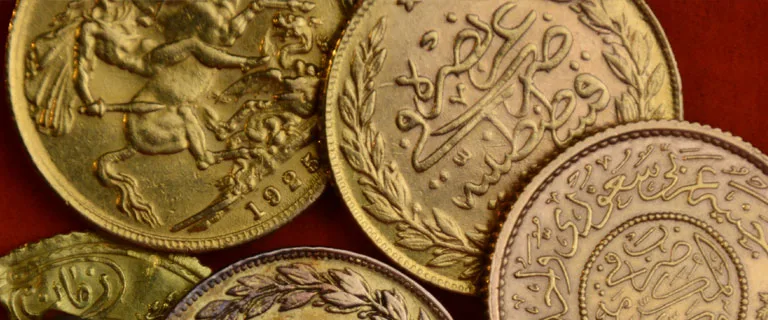

Middle East coins span thousands of years, from ancient Persian empires through Islamic dynasties to modern nation-states. Each coin reflects the history, culture, and artistic traditions of civilizations that shaped world commerce.
These coins appeal to collectors for reasons beyond their age. Middle East coins showcase extraordinary artistic designs that differ dramatically from Western traditions. Calligraphy, geometric patterns, and cultural symbols dominate designs in ways that intrigue collectors seeking something distinctly different.
The connection between ancient and modern collecting demonstrates why Middle East coins attract serious numismatists. Ancient coins from Persian kings represent monetary systems of empires that dominated trade routes for centuries. Modern coins continue these traditions while incorporating contemporary security features. A collector can trace cultural evolution by examining coins from different eras and regions.
Understanding Middle East Coins
The history of coinage in the Middle East extends back further than most Western collectors realize. Ancient Persian empires produced some of the world’s earliest standardized coins. Islamic dynasties that followed developed distinctive coinage traditions that persisted for centuries. The designs, inscriptions, and denominations all reflected the values and priorities of their respective eras.
Influence of Ancient Empires and Kingdoms:
Ancient Persian dynasties established coinage systems that influenced monetary practices across vast territories. The Seleucid Empire, following Alexander the Great’s conquests, blended Greek and Persian design traditions. Islamic caliphates that emerged in the 7th century onward developed unique coinage featuring Arabic inscriptions and eliminating figural representations in adherence to religious traditions.
Design Elements and Cultural Significance:
Middle East coins feature design elements distinctly different from Western traditions. Arabic calligraphy appears on Islamic coins, often including Quranic verses or the names of rulers. Geometric patterns and arabesques replace the figural designs common on European coins. These design choices weren’t merely aesthetic but reflected religious principles and cultural values. The absence of human or animal imagery on many Islamic coins follows religious law, making them instantly recognizable to collectors.
What Makes Middle East Coins Unique:
Middle East coins possess characteristics that distinguish them from other world coins. The inscriptional content carries historical weight, often recording the names of rulers, mint locations, and dates in Islamic calendar formats. The artistic sophistication rivals any coinage tradition globally. Rarity varies significantly depending on the era and specific issue. Ancient Persian coins are extremely scarce and command premium prices. Medieval Islamic coins range from common to rare depending on production levels. Modern Middle East coins remain accessible but include scarce issues worth pursuing.
The combination of historical significance, artistic merit, and cultural importance makes Middle East coins compelling collecting pieces for serious numismatists.
Ancient Coins and Inflation Through History
Ancient coin production in the Middle East reflected economic conditions and resource availability. Early Persian coins contained high precious metal percentages, with gold and silver content carefully standardized. Islamic dynasties also maintained metallic standards, though percentages varied depending on the region and era. Understanding metal content reveals economic priorities of ancient rulers.
How inflation affected coin value over centuries demonstrates principles that apply to modern economics. When precious metal supplies increased, the actual value of coins could decline despite stable face values. Rulers sometimes reduced metal content to stretch resources, a form of debasement that caused inflation. Examining ancient coins reveals these economic decisions through metal composition analysis.
Economic Lessons from Historical Coinage:
- High precious metal content indicated stable economic periods
- Reduced metal content reflected economic stress or inflation
- Coin design changes sometimes coincided with political or economic shifts
- Trade route disruptions affected coin production and distribution
- Standardized coinage enabled commerce across vast empires
The rarity and survival of ancient pieces tell important stories. Most ancient coins circulated extensively before being lost, melted down, or destroyed. Coins that survived thousands of years are genuinely scarce. A well-preserved ancient Middle East coin represents a remarkable survival of history. Condition dramatically affects value. Ancient coins in exceptional condition command substantial premiums compared to worn examples.
Collecting Middle East Currency
Modern Middle East coins worth collecting range from contemporary circulation coins to limited commemorative releases. Each country in the region produces coins reflecting national identity and historical events. Some modern issues gain collector attention due to limited mintages or special designs.
Key Dates and Denominations:
- Early issues from newly independent nations hold historical significance
- Commemorative coins marking national anniversaries attract collectors
- Limited mintage coins become scarce quickly
- Coins featuring cultural or religious significance gain collector interest
- High-grade examples command premiums regardless of denomination
Condition and Authentication:
Modern Middle East coins are easier to authenticate than ancient pieces since production records exist. Examine coins for proper striking, color consistency, and edge characteristics. Professional grading services verify authenticity for valuable modern issues. Certification adds credibility and market value.
Building a Collection:
Start by focusing on specific countries or time periods. Decide whether you want circulation strikes, proof sets, or both. Research which modern issues have collector appeal and limited availability. Work with reputable dealers who can provide accurate grading and authentication. Building a modern Middle East collection remains affordable compared to pursuing ancient coins, making it an excellent entry point for new collectors.
Value and Investment Potential
What drives value in Middle East coins extends beyond age and metal content. Historical significance matters greatly. Coins from important rulers or pivotal historical moments attract collector premiums. Artistic quality influences value. Coins with exceptional designs and execution command higher prices. Rarity represents the most important factor. Fewer surviving examples mean higher collector demand and stronger pricing.
Rarity versus condition creates an interesting dynamic in Middle East coin collecting. A common date in exceptional condition might be worth less than a rare date showing heavy wear. Collectors prioritize rarity over perfection when acquiring scarce pieces. However, condition still matters significantly. A rare coin in pristine condition is worth substantially more than the same coin heavily circulated.
Market Demand and Pricing:
- Ancient Persian coins command premium prices due to extreme rarity
- Islamic medieval coins range from affordable to expensive depending on scarcity
- Modern limited-mintage coins gain value as supplies become exhausted
- Coins featuring cultural or religious significance attract specialized collectors
- High-grade certified examples command premiums in the market
Long-term collecting appeal remains strong for Middle East coins. These pieces connect collectors to some of humanity’s oldest civilizations. The artistic and historical significance ensures continued collector interest. As scarce pieces become harder to find, values tend to appreciate over time. Building a collection represents both an educational pursuit and a potential investment.
Where to Find Middle East Coins
Dealers specializing in world coins provide authenticated Middle East pieces with documentation. Reputable dealers stand behind their products and offer return policies. Auction houses regularly feature Middle East coins ranging from common to exceptionally rare. Online platforms connect collectors with sellers globally, though verification of authenticity becomes critical when purchasing remotely.
Authentication Importance:
Counterfeits exist in the Middle East coin market, particularly for valuable ancient pieces. Authentic dealers provide detailed authentication information and will explain their assessment. Professional grading services examine coins and issue certificates verifying authenticity and condition. Never purchase expensive pieces without authentication documentation.
Pricing and Valuation:
Research comparable sales to understand market values. Auction results provide accurate pricing for similar coins. Dealer pricing reflects current market conditions and the coin’s condition. Don’t assume online pricing is accurate. Condition grades significantly impact value, so understand grading standards before comparing prices.
Avoiding Counterfeits:
Purchase from established dealers with a reputation to protect, like CV Coins & Collectables. Request detailed photographs showing both sides and the edge of any coin. Ask for authentication documentation before purchasing. Verify dealer credentials through collector organizations. If a price seems too good to be true, it probably is. Trust your instincts and research thoroughly before committing money to expensive pieces.
Frequently Asked Questions About Middle East Coins
Ancient coins combine historical significance with rarity, making them appealing to collectors. However, prices fluctuate based on market demand. Collect pieces you genuinely enjoy rather than viewing them purely as investments.
Persian coins predate Islam and often featured figural designs. Islamic coins typically feature Arabic calligraphy and geometric patterns instead of human imagery. Both categories attract collectors, but they represent different historical periods and traditions.
High-risk. Counterfeits exist online. Purchase expensive ancient coins only from established dealers with verifiable credentials. Request detailed photographs and authentication documentation before committing funds.
Research books on Islamic numismatics and Persian coinage. Join collector organizations focused on world coins. Visit museums with Middle East coin collections. Online resources provide historical context and design explanations.
Yes. Modern coins remain affordable entry points into Middle East collecting. Limited-mintage issues gain value over time. They provide excellent education about contemporary Middle East nations and cultures.
Ancient coins rarely survive in pristine condition. Target the best available condition within your budget. Even heavily worn ancient pieces hold historical value if authentic and rare.
Conclusion
Middle East coins offer collectors a direct connection to some of humanity’s oldest and most influential civilizations. Whether pursuing ancient Persian pieces that shaped early commerce, Islamic coins reflecting religious and cultural traditions, or modern issues representing contemporary Middle East nations, collecting these coins provides both historical education and lasting value.
The combination of artistic merit, historical significance, and rarity makes Middle East coins compelling collecting pieces. Building a collection means engaging with thousands of years of history and multiple distinct cultural traditions.
Visit CV Coins & Collectables to explore Middle East coins, learn more about specific issues, and get expert guidance building your collection.