
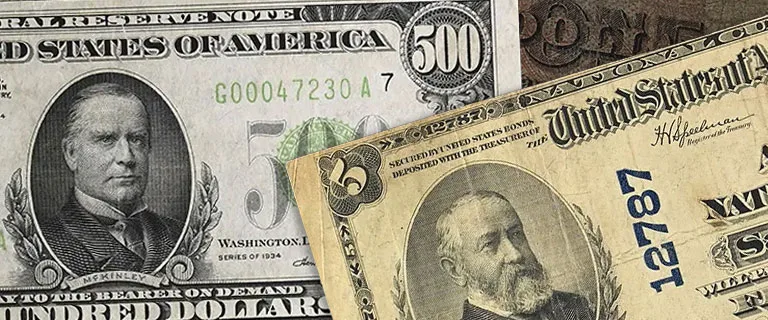

US paper money collecting offers a window into American economic history. Rare older notes from the Civil War era, modern error bills with printing mistakes, and contemporary banknotes each tell different stories about the nation at specific moments in time.
Whether you’re interested in scarce early banknotes worth significant money or hunting for printing errors in modern circulation, currency collecting provides multiple collecting angles. You can focus exclusively on rare historical notes, pursue error varieties that make bills unique, or build collections around specific time periods and denominations.
This hobby is accessible because collectors can start at any budget level. You can find interesting pieces in everyday circulation or pursue investment-grade rarities from professional dealers. Understanding the difference between common notes and genuinely scarce pieces helps you build a collection with lasting value.
Understanding US Paper Currency
The history of American paper money reflects the nation’s economic evolution. The first federal banknotes appeared during the Civil War as a way to finance the conflict. Before that, various banks issued their own currency, creating a fragmented monetary system where the value and trustworthiness of notes varied depending on which bank issued them.
How Design and Production Evolved:
US banknote design and production have evolved significantly over more than 150 years. Early notes featured engraved portraits, ornate designs, and security features that were cutting-edge for their time. The designs changed as technology advanced and as the government sought to stay ahead of counterfeiters. Modern banknotes incorporate sophisticated security features designed to prevent counterfeiting.
Design choices reflect the values and priorities of each era. Portraits of presidents and statesmen dominate the front of bills. Reverses have featured everything from eagles and classical imagery to buildings and monuments. Each design tells something about what America valued at that moment in time.
What Collectors Look For:
Serious collectors examine several key features:
- Serial numbers and their variations
- Plate positions that changed during production
- Series designations marking different time periods
- Printing variations that make notes unique
- Signatures of Treasury officials, which changed over time
- Rare combinations of features that make one note distinctly different from another
Condition matters tremendously. A note in pristine condition commands significantly higher premiums than one that circulated heavily. Understanding these details helps collectors identify valuable pieces.
Rare Older Notes
Early American banknotes hold special appeal for collectors. Notes from the Civil War era through the early 1900s were produced in smaller quantities compared to modern currency. Many were destroyed through circulation, damaged, or lost over decades, making survivors genuinely scarce today.
Early banknotes featured designs that reflected the artistic standards and security concerns of their time. Hand-engraved portraits, intricate vignettes, and elaborate border designs made counterfeiting more difficult. Each note is essentially a small work of art.
Key Dates That Matter:
- Large-size notes from before 1929 attract serious collectors due to lower production numbers
- Small-size notes introduced in 1929 were produced in higher quantities
- Earlier examples in the small-size series are more desirable
- Specific years and series command premiums based on rarity and collector demand
Why Older Notes Command Premiums:
- Fewer examples survived than were originally printed
- Collectors actively seek these pieces, driving prices upward
- Notes in exceptional condition are worth substantially more than heavily circulated examples
- Rare series or issues can command hundreds or thousands of dollars
Finding quality examples requires working with reputable dealers who can authenticate and properly grade older notes. Professional certification adds credibility and value.
Error Notes and Varieties
An error note is a banknote that contains a printing mistake. These mistakes occur during the complex process of designing, engraving, and printing currency.
Types of Printing Errors:
- Misaligned printing where portions of the design don’t line up properly
- Inverted designs when one side prints upside down or reversed
- Missing colors when one ink fails to print on certain portions
- Doubled printing creating a layered effect when the design prints twice
- Ink smears, cuts, and folds occurring during production
Why Collectors Seek Error Currency:
- Each error is typically one of a kind or produced in very limited quantities
- Once discovered and corrected, no more notes with that specific error will be produced
- Built-in scarcity makes error notes highly desirable
- Appeals to collectors who enjoy detective work of finding unusual pieces
- The thrill of finding genuine errors in circulation keeps collectors engaged
Error notes range dramatically in value. A minor printing quirk might add minimal premium to face value. A dramatic, easily visible error can command significant prices from competing collectors.
Modern Paper Money and Collecting
Contemporary banknotes worth collecting include special releases like Lucky 777 Note Sets, uncut currency sheets, and numismatic products from the U.S. Bureau of Engraving and Printing. These feature standard circulating designs but are marketed in special packaging or with specific serial number ranges.
Modern error notes remain collectible despite advanced printing technology. Errors like insufficient inking and paper folds still slip through production and command premiums from collectors.
Limited Editions and Special Releases:
- U.S. Bureau special numismatic products marketed to collectors
- Error notes from modern production runs
- Notes with special or rare serial number combinations
- International commemorative polymer banknotes marking historical events
- World banknotes from specific countries or years
Building modern collections offers a different appeal than pursuing rare historical notes. Modern pieces are affordable and readily available. Many modern collectors enjoy collecting world commemorative notes, which international countries produce regularly.
Building Your Collection
Starting a collection requires deciding what appeals to you most. Do you want rare historical notes or contemporary error varieties? Will you focus on US currency exclusively or include world notes? Your interests shape your collecting strategy and budget requirements.
Where to Find and Buy Currency:
Reputable dealers specializing in currency provide authenticated pieces with documentation. Auction houses regularly offer banknotes ranging from common to extremely rare. Online platforms connect collectors with sellers, though verification of authenticity becomes more critical. Estate sales and antique shops sometimes yield interesting finds at reasonable prices.
Condition and Preservation:
- Store notes in acid-free holders away from direct sunlight
- Handle notes by edges to avoid fingerprints and oils
- Keep humidity levels stable to prevent deterioration
- Avoid cleaning or altering notes in any way
- Use protective sleeves for long-term storage
Grading and Authentication:
Professional grading services examine notes and assign standardized grades that indicate condition. Certified notes command premiums in the collector market. Learning to identify authentic notes versus counterfeits protects your collection. Documentation of authenticity and provenance adds significant value to valuable pieces.
Frequently Asked Questions About Currency Collecting
Rare notes are scarce but not necessarily valuable. A note can be rare and still command modest prices if collector demand is low. Valuable notes combine rarity with strong collector interest. Condition also affects value significantly.
Yes. Modern error notes occasionally circulate before being caught. Older notes sometimes appear in everyday change, though less frequently. The odds are low, but collectors do find pieces worth more than face value in their pocket change.
Begin with error notes from current circulation or modern special serial numbers. These cost face value or minimal premiums. Focus on education first. Learn what makes notes collectible before investing in expensive pieces.
Maybe. Age alone doesn’t determine value. Rarity, condition, and collector demand matter more. A note from the 1950s might be common, while one from 1863 could be scarce. Professional evaluation helps determine actual value.
Use acid-free, PVC-free holders. Keep notes away from direct sunlight, humidity extremes, and temperature fluctuations. Never fold, clean, or alter notes. Proper storage preserves condition and value.
For valuable pieces you plan to sell or insure, professional grading adds credibility and typically increases value. For common notes or those you’re collecting for enjoyment, grading costs may not be justified.
Conclusion
Currency collecting offers something for every collector and budget. Whether you pursue rare historical notes from early American banking, hunt for modern error varieties in circulation, or build collections around special releases and world banknotes, collecting paper money connects you directly to financial history.
The hobby combines art, history, and detective work. Each note tells a story about the era it represents and the values America held at that moment. Rare older notes command premiums because fewer survive. Error notes attract collectors seeking unique pieces. Modern collecting remains accessible and educational.
Start your currency collection today by deciding what interests you most. Visit CV Coins & Collectables to explore available pieces, get expert guidance, and learn more about building a collection with lasting value.