
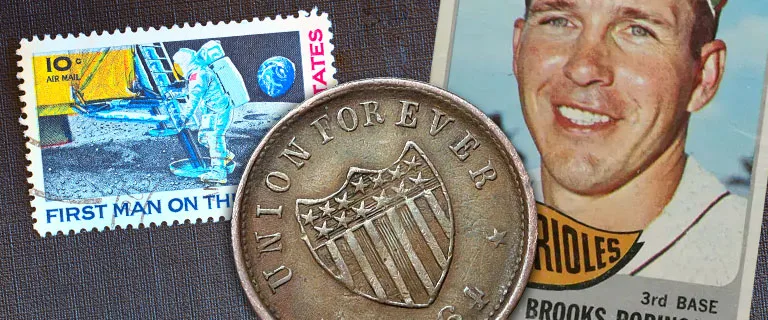

The collecting landscape has shifted dramatically. Today’s market rewards scarcity, quality, and authenticity. Successful collectors focus on what has genuine collector demand, not what manufacturers claim will be valuable.
The data is clear. Graded vintage coins, rare sports cards, and historic stamps command premium prices. Overproduced modern items languish in the secondary market with little appeal.
Understanding what’s hot and what’s not helps you make smarter acquisitions. You avoid overpaying for items destined to lose value and focus your budget on pieces that retain and appreciate over time. Whether you’re building your first collection or managing an established one, knowing current market preferences is essential to collecting successfully in 2026.
Coin Collecting
The coin market in 2026 strongly favors specific categories while penalizing others. Understanding this divide helps collectors prioritize their purchases and allocate their budgets effectively.
What’s Hot:
Low-mintage precious metal coins command serious collector attention and pricing power. Coins produced in limited quantities, especially those with historical significance or unique designs, attract aggressive bidding and strong secondary market demand.
Early American copper coins in high-grade certified condition represent some of the most sought-after pieces in the market. These combine rarity, historical importance, and tangible precious metal value.
Set registry completion has become a major driver of demand. Affluent collectors compete fiercely to acquire top-condition certified coins to complete their series. This creates upward pressure on prices for specific dates, mint marks, and grades.
Certified coins consistently outperform uncertified pieces. Professional grading from services like PCGS and NGC provides the authentication and verification buyers trust.
What’s Not:
Common date circulated coins with minimal numismatic scarcity struggle to find buyers. A worn coin from a high-mintage year lacks the rarity that drives collector demand.
Routine modern mint packaging and commemorative sets fail to hold secondary market premiums. The U.S. Mint produces massive quantities of these products. Once initial releases sell out, many trade well below original pricing without proven collector demand.
Why the Shift:
Collectors have learned that production quantity and collector demand determine long-term value far more than face value or marketing claims. Limited production creates natural scarcity. High-grade examples become increasingly scarce over time. This combination drives prices upward. Modern overproduced items lack this dynamic.
Sports Card Collecting
The sports card market has undergone a dramatic transformation, creating clear winners and losers in the collectible space.
What’s Hot:
Graded vintage rookie cards of legendary athletes command exceptional prices. A Michael Jordan or Babe Ruth rookie card in high grade represents the pinnacle of sports card collecting. These pieces carry cultural significance beyond cardboard and ink.
Ultra-rare modern cards from elite active players generate intense competition. Cards designated as 1/1 (one of one), Logoman variants, and MLB Debut Patch cards from players like Shohei Ohtani attract serious money. Rarity combined with active player performance drives value upward.
Soccer trading cards have exploded in popularity. Global interest in stars like Lionel Messi and Jude Bellingham provides a massive collector base, and rare cards command premium prices.
Grading matters immensely. A vintage rookie card graded at a high level sells for multiples of its ungraded equivalent. Certification provides the authentication buyers trust completely.
What’s Not:
Modern mass-retail base cards have entered what collectors call a new junk wax era. Produced in massive quantities and distributed through retail channels, these cards have minimal collector appeal. Paying to grade these cards is described as a losing financial gamble.
Overproduced modern parallel cards suffer from the same problem. Limited run variations sound appealing until you realize thousands were produced. Without genuine scarcity, these cards hold little value over time.
The Market Reality:
The sports card market has matured. Casual buyers who approached cards purely as investments have largely exited. Remaining collectors focus on genuinely scarce pieces with proven demand. Production quantity is everything. A card produced in limited quantity or from an era of lower production holds value. A modern card produced by the millions does not.
Stamp Collecting
Philately has transformed significantly, and collector preferences now favor certain categories while leaving others behind.
What’s Hot:
Great British rare classics command premium prices among serious collectors. Stamps from the 19th century in mint condition with strong provenance attract intense bidding. These pieces represent both historical significance and genuine scarcity.
Innovative stamps featuring holographic accents or augmented reality integrations have captured collector attention. Modern postal services are creating stamps that appeal to contemporary collectors through technological innovation. These limited-issue pieces combine traditional collecting with modern technology.
Stamps featuring heavy cultural, sustainability, or global unity narratives resonate with modern collectors. Stamps celebrating important causes or moments in history attract buyers motivated by both the philatelic and thematic value. A stamp honoring environmental conservation or social progress appeals beyond just postal history enthusiasts.
What’s Not:
Common mid-20th century commemorative stamp sheets have little to no liquid market value. Old collections filled with these abundant stamps often disappoint sellers expecting value. These stamps were produced in massive quantities and remain common today.
Generic modern stamps without historical significance or artistic merit struggle to attract collector interest. A standard forever stamp has face value but minimal collectible premium.
Collector Focus:
Successful stamp collectors focus on rarity, provenance, and thematic appeal. A rare British classic with documented history commands premium pricing. A common commemorative sheet from 1960 does not. Condition matters significantly in philately. Mint-condition stamps sell for multiples of their used equivalents.
Exonumia Collecting
Tokens, medals, and badges represent one of the most dynamic collecting categories, with clear preferences emerging among serious collectors.
What’s Hot:
Historical tokens with clear local or regional history attract dedicated collectors. Civil War patriotic tokens and hard times tokens from America’s economic crises carry historical significance beyond their metal content. Collectors pursue these pieces for their connection to specific moments in history.
So-called dollars and historical World’s Fair medals command strong collector interest. An 1893 Columbian Exposition medal or 1939 New York World’s Fair piece represents both numismatic and historical value. These medals were produced in limited quantities and have survived in varying conditions, making them genuinely scarce in high grades.
Defunct vintage casino chips and iconic city transit tokens appeal to collectors seeking tangible pieces of local history. A Las Vegas casino chip from the 1970s or a San Francisco transit token carries nostalgic and historical appeal. These items connect collectors to specific places and eras.
What’s Not:
Unidentified generic brass tokens lack collector appeal. A token with no documented history, unclear origin, or unknown purpose struggles to attract buyers. Without provenance or historical context, these pieces have minimal value beyond their metal content.
Modern tourist-trap souvenir medallions without verified historical backing sit unsold in dealer inventories. A generic medallion purchased at a gift shop has no collectible value. Collectors want pieces with genuine historical significance, not commemorative trinkets.
Finding Quality Pieces:
Successful exonumia collectors research provenance carefully. They understand the historical context of what they’re acquiring. They seek pieces from identifiable events, locations, or organizations. Documentation adds significant value. A token with clear attribution to a specific business, fair, or historical moment commands premium pricing compared to an unidentified piece of similar age and composition.
Why These Trends Matter
Understanding what’s hot and what’s not in collecting extends beyond simple market observation. It reflects fundamental principles that drive collectible value.
Investment Potential:
Items with genuine scarcity and proven collector demand appreciate over time. A rare early American copper coin, a vintage Michael Jordan rookie card, or a British classic stamp holds value and grows with market demand. These pieces represent tangible assets with global collector bases competing for limited supplies.
Overproduced items depreciate. A modern commemorative set produced by the millions will never appreciate because supply vastly exceeds demand. No artificial scarcity exists to support price appreciation. Understanding this distinction prevents wasting money on items destined to lose value.
Quality Over Quantity:
Serious collectors focus on fewer, higher-quality pieces rather than accumulating quantity. One graded vintage rookie card outperforms dozens of common modern base cards in both enjoyment and investment potential. A single rare British stamp provides more collecting satisfaction and value than sheets of common commemoratives.
This shift reflects collector sophistication. Beginners buy quantity. Experienced collectors buy quality. The market rewards this approach. Premium-grade certified pieces consistently outperform their lower-grade equivalents by multiples.
Rarity and Authenticity Drive Value:
The market has become unforgiving to items lacking genuine scarcity or authentication. A coin without professional grading struggles against certified examples. A token without provenance competes poorly against documented pieces. An overproduced modern card cannot compete with a rare vintage equivalent.
Collectors now demand authenticity verification. Professional grading services command premium prices because they provide the assurance buyers require. Items without clear authentication or questionable provenance trade at significant discounts or fail to sell at all.
The lesson for collectors in 2026 is clear: focus on genuine scarcity, verified authenticity, and proven collector demand. These factors determine long-term value far more than age alone or manufacturer claims about collectibility.
Frequently Asked Questions About Collecting Trends
Should I only buy certified/graded items?
For high-value pieces, certification provides essential authentication and protection. For common items or lower-value pieces, certification costs may exceed the item’s value. Focus on certification for items that matter most to your collection.
Is collecting still a good investment?
Yes, but only if you focus on genuinely scarce pieces with proven collector demand. Items with rarity, authentication, and demonstrated market interest appreciate over time. Overproduced modern items do not.
How do I know if something is actually rare?
Research comparable sales. Check auction results, dealer inventories, and collector databases. If you can find dozens of similar items readily available, it’s not rare. Truly scarce items appear infrequently and command premium pricing.
Should I buy newer releases or stick to older collectibles?
Both can work. Older items have proven track records. Limited-production modern releases can appreciate if demand exceeds supply. Avoid high-production modern items regardless of age.
What’s the best way to start collecting?
Pick a category that interests you. Learn the history and what makes pieces valuable. Start with affordable pieces to build knowledge. As you gain experience, focus your budget on higher-quality items.
How important is the condition?
Condition dramatically affects value. A coin in high grade sells for multiples of the same coin in poor condition. Invest in better condition items that matter to your collection. Handle pieces carefully to preserve their condition.
Conclusion
The collecting landscape in 2026 rewards focus and knowledge. Graded vintage coins, rare sports cards, historic stamps, and documented exonumia command strong collector demand and appreciation potential. Meanwhile, overproduced modern items and unverified pieces languish in the secondary market.
Success as a collector requires understanding these trends and applying them to your acquisitions. Focus on genuine scarcity rather than production claims. Prioritize authenticated, certified pieces over unverified items. Research before purchasing. These principles apply whether you collect coins, stamps, sports cards, or tokens.
Whether you’re beginning your collecting journey or refining an established collection, the time to understand current market preferences is now. Visit CV Coins & Collectables to explore trending pieces and get expert guidance on building a collection with lasting value.