
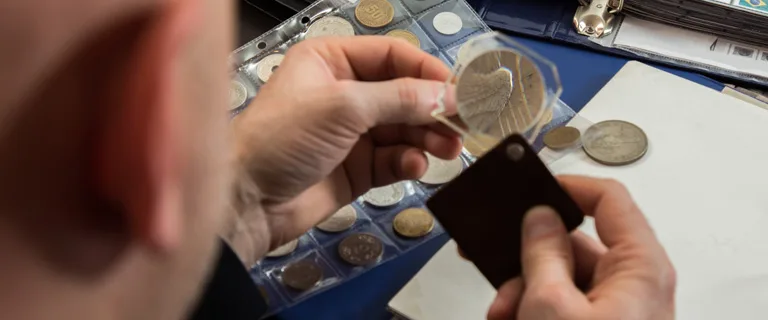

Why Coin Appraisals Are a Critical First Step
Selling coins may seem straightforward, but without knowing their true value, many sellers risk leaving money on the table. This is where professional coin appraisals become essential. A coin appraisal provides a verified, expert assessment of your coins, giving you confidence when navigating the buying and selling process.
Coins can vary widely in value based on authenticity, condition, rarity, and historical significance. Without an appraisal, even experienced collectors can misjudge a coin’s worth. Informal estimates or online guesses can lead to underpricing, while counterfeit or altered coins may go unnoticed by the untrained eye.
A professional appraisal protects sellers by establishing trust and transparency with potential buyers. It ensures that every coin is accurately evaluated, documenting key details such as metal composition, mint marks, and historical context. Appraisals also serve as a safeguard against scams or lowball offers, particularly in the growing online marketplace for rare coins.
This blog will guide you through what a coin appraisal entails, how it differs from grading or informal estimates, and why understanding the true value of your collection is a crucial first step before selling. From authenticity verification to maximizing returns, knowing your coins’ worth sets the foundation for a confident and profitable transaction.
What Is a Coin Appraisal?
A coin appraisal is a professional evaluation that determines a coin’s current market value based on its authenticity, condition, rarity, and demand. Unlike casual estimates, a proper appraisal provides a written, documented assessment prepared by an expert, often a certified numismatist or accredited appraiser.
It is important to understand the differences between common terms:
- Informal estimates vs. documented appraisals: A quick guess from an online tool or casual dealer may give a rough idea of value, but it lacks verification and credibility. A formal appraisal provides an official report detailing the coin’s characteristics and assessed market value.
- Appraisal vs. grading: Grading focuses specifically on the coin’s condition, assigning a numerical grade based on wear, strike quality, and preservation. An appraisal incorporates grading but also accounts for market demand, rarity, and historical significance, giving a broader picture of value.
A proper coin appraisal report usually includes:
- Authentication: Verification that the coin is genuine and not counterfeit.
- Condition assessment: Grading and noting any defects, wear, or restoration.
- Market value: Current resale or investment value based on recent sales and demand trends.
By obtaining a professional appraisal, sellers gain a reliable reference point for negotiating offers, avoiding scams, and ensuring they receive fair market value for their coins. It is a crucial step for anyone looking to sell or insure valuable coins.
Why Coin Appraisals Matter Before You Sell
Selling coins without a clear understanding of their value can lead to costly mistakes. Professional coin appraisals help sellers navigate the market with confidence, ensuring that each transaction is fair, transparent, and backed by expert knowledge.
Confirming Authenticity
One of the primary reasons coin appraisals are essential is authentication. Counterfeit or altered coins can circulate widely, particularly in rare, ancient, or high-value categories. A professional appraiser examines the coin’s design, metal composition, weight, and minting characteristics to verify its authenticity.
Authentication protects sellers by providing documented proof that a coin is genuine. This is especially important for collectors of historical coins, world coins, or high-grade pieces, where even minor doubts about authenticity can drastically affect market value. With a verified appraisal, sellers can confidently present their coins to buyers, collectors, or auction houses without the risk of disputes or rejected offers.
Understanding True Market Value
Coin values fluctuate based on market demand, rarity, historical significance, and overall condition. Without an appraisal, sellers may confuse melt value (the worth of the metal alone) with collectible value, missing out on potential profits.
A professional appraisal assesses both intrinsic and collectible value, factoring in current market trends and recent sales data. Sellers gain a clear picture of what their coins are truly worth, avoiding undervaluation from uninformed offers and setting realistic expectations for negotiations.
Protecting Yourself From Scams and Low Offers
Unfortunately, the market for coins includes dishonest buyers who may attempt to exploit sellers. Common tactics include offering below-market rates, questioning authenticity without basis, or using high-pressure sales tactics.
A professional appraisal provides sellers with documented proof of value and authenticity, creating leverage in negotiations. With this verification, sellers can confidently reject low offers and ensure they receive fair market value. Ultimately, a coin appraisal is a safeguard that protects both the financial and legal aspects of a transaction.
How Condition and Grading Affect Coin Value
Condition is one of the most important factors influencing a coin’s value. Coin grading standards, ranging from Poor (P-1) to Mint State (MS-70), provide a systematic way to evaluate wear, damage, and overall preservation.
Wear and damage, including scratches, nicks, or corrosion, can significantly reduce a coin’s collectible value. Even subtle alterations, like cleaning or polishing, may decrease appeal to serious collectors. Originality, or how closely a coin resembles its freshly minted state, often outweighs age alone in determining value.
Professional third-party grading is particularly valuable for rare or high-value coins. Certified grading not only validates condition but also builds buyer confidence and can enhance marketability. Collectors and investors often prefer coins that come with a reputable grading certificate, as it reduces the risk of disputes over authenticity or condition.
By understanding grading and condition, sellers can make informed decisions about which coins to sell, which to preserve, and how to present their collection to maximize value. In many cases, coins in superior condition command exponentially higher prices than similar pieces with minor wear or defects. Proper grading ensures that the true value of each coin is recognized and protected.
When Should You Get a Coin Appraisal?
Knowing the right time to have a coin professionally appraised can significantly impact both your selling strategy and potential returns. Certain situations make appraisals essential:
- Selling inherited collections: Family heirlooms may include rare or valuable coins whose true worth isn’t immediately obvious. An appraisal ensures you understand the full value before parting with them.
- Rare or key-date coins: Coins with low mintage numbers or significant historical importance require authentication and grading to verify their market value.
- High-value gold or silver coins: Precious metal coins fluctuate with market prices, making expert evaluation critical for maximizing returns.
- Large collections or estates: When managing multiple coins, an appraisal provides a clear inventory and valuation, simplifying sales or estate planning.
There are also scenarios where a full appraisal may not be necessary, such as common circulation coins with minimal collectible value. In these cases, sellers may rely on market prices or dealer estimates.
Timing is another consideration. Market trends, upcoming anniversaries, or changes in precious metal values can influence coin prices. By scheduling an appraisal ahead of major market movements, sellers position themselves to maximize profit and make informed decisions about when and how to sell.
A professional appraisal ensures that, whether selling one coin or an entire collection, you have documented proof of value, confidence in your pricing, and protection from potential underpayment.
What to Expect During a Professional Coin Appraisal
Understanding the appraisal process helps sellers feel confident and prepared. Here’s a step-by-step overview of what typically happens during a professional coin appraisal:
- Visual Inspection: The appraiser examines each coin for wear, damage, alterations, and distinguishing characteristics. This first step helps identify rare or key-date coins that may require closer evaluation.
- Weight, Diameter, and Metal Testing: Using precision tools, the appraiser confirms the coin’s composition, dimensions, and authenticity, checking for precious metals like gold or silver.
- Reference to Market Data and Auction Results: The appraiser compares similar coins, recent sales, and current market conditions to determine a fair market value. This ensures that appraisal values reflect up-to-date pricing trends.
- Documentation: Most professional appraisals result in a written report that includes the coin’s description, condition, authenticity, and market value. Some appraisers also provide photographs and grading notes.
- Timeframe: Depending on collection size and complexity, an appraisal can take anywhere from 30 minutes per coin to several days for larger collections.
By the end of the process, sellers receive a thorough, credible evaluation that can be used for selling, insurance, or estate planning purposes. Knowing what to expect allows collectors to prepare their coins, provide any relevant history or prior documentation, and ensure a smooth, accurate appraisal experience.
Common Mistakes Sellers Make Without Coin Appraisals
Many collectors unknowingly leave money on the table when selling coins without a professional appraisal. Common mistakes include:
- Selling too quickly without research: Rushing into a sale can lead to accepting the first offer, often far below the coin’s true market value.
- Confusing face value with collectible value: A coin’s denomination does not reflect its worth as a collectible; rare or historic coins can far exceed their face value.
- Cleaning coins before selling: Scrubbing or polishing coins can reduce their grade and lower their value, as originality is prized by collectors.
- Relying solely on online price guides: While online resources provide a general idea, they rarely capture the nuances of condition, provenance, or market demand for specific coins.
Avoiding these pitfalls is easier with a professional appraisal. By understanding your coin’s authenticity, grade, and market value, you can confidently navigate offers, protect yourself from scams, and ensure a fair transaction. Appraisals provide the knowledge and leverage sellers need to make informed decisions.
How Coin Appraisals Help Maximize Your Return
A professional coin appraisal can significantly improve your selling outcomes. Appraisal data empowers sellers to negotiate confidently and avoid lowball offers. Knowing a coin’s verified value gives you leverage when presenting it to reputable buyers, ensuring you receive top dollar for rare or high-demand pieces.
Appraisals also help determine whether it’s the right time to sell. Market trends, upcoming anniversaries, and collector interest can all affect prices. By understanding your coin’s value, you can make informed decisions about holding for potential appreciation or selling immediately for liquidity.
Presenting an appraised coin signals credibility and transparency to buyers, increasing trust and simplifying negotiations. Collectors and investors are more likely to pay a fair price when the coin comes with documented authenticity, condition, and market valuation.
Ultimately, sellers who invest in a professional appraisal consistently achieve better outcomes. They avoid undervaluation, minimize risk, and maximize returns—all while gaining confidence in every transaction. Whether selling a single coin or an entire collection, a verified appraisal ensures that you’re making the most of your numismatic assets.
FAQ: Coin Appraisals
Most appraisals can be completed within 30–60 minutes per coin, depending on rarity, complexity, and collection size.
Because market values fluctuate, a coin appraisal is typically considered accurate for 6–12 months. Updating your appraisal is recommended if market conditions change or if you plan to sell.
Generally, yes. A professional appraisal documents authenticity and market value, which can be used with most reputable dealers. Keep in mind that offers may vary depending on buyer interest and condition assessment.
No. Grading evaluates a coin’s condition on a standardized scale, while an appraisal includes authentication, condition, and market value analysis. Both are important for maximizing value.
Not necessarily. Common, low-value coins may not require a formal appraisal, but rare, historical, or high-value coins should always be professionally appraised.
Conclusion: Sell With Confidence Through Coin Appraisals
Selling coins without knowing their true value can lead to lost opportunities, undervaluation, or exposure to scams. Professional coin appraisals provide a clear picture of authenticity, condition, and market value, giving sellers the confidence to negotiate fair offers. By understanding grading, provenance, and collectible trends, you protect the worth of your coins while making informed decisions about timing and potential returns.
Appraisals are especially critical for rare, historic, or high-value coins, but even smaller collections benefit from the assurance they provide. Taking a measured, knowledge-driven approach ensures you avoid common mistakes like selling too quickly, misjudging condition, or accepting low offers.
At CV Coins & Collectables, our expert team has over 50 years of experience helping collectors and sellers navigate the coin market. Visit or contact us today for professional coin appraisals, buying, selling, or guidance to maximize your collection’s value.